
Right parts on first trip
What we can do is schedule the drive and bring the right parts the first time, because we know roughly what we're walking into before we get there. That last part matters more here than it sounds.
Bristol, Kenosha WI
Garage door repair and replacement for Bristol, WI homes, most built in the late 1970s and early 1980s. We travel out from Kenosha, 8 miles away.
What we do here
Response times
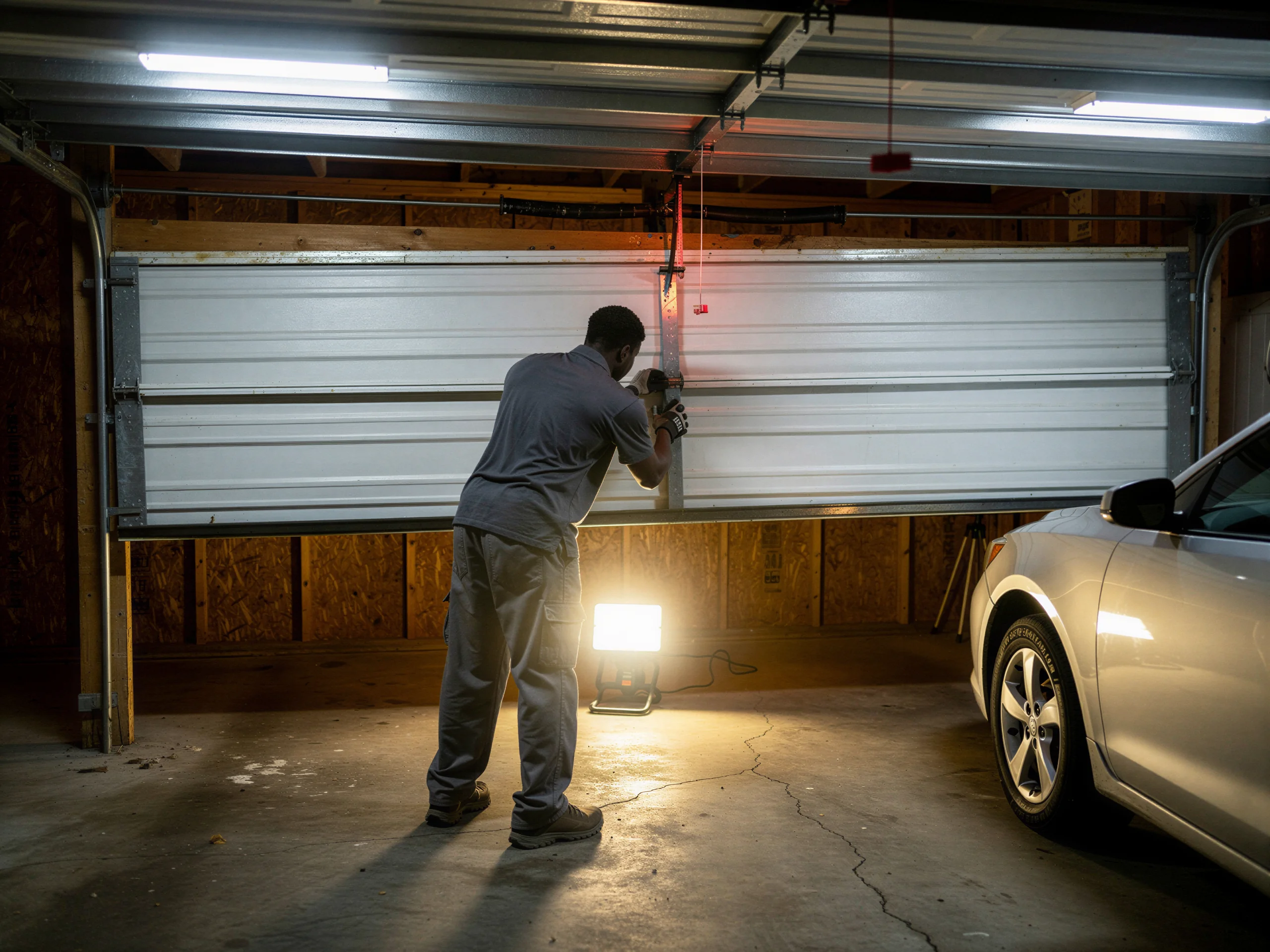
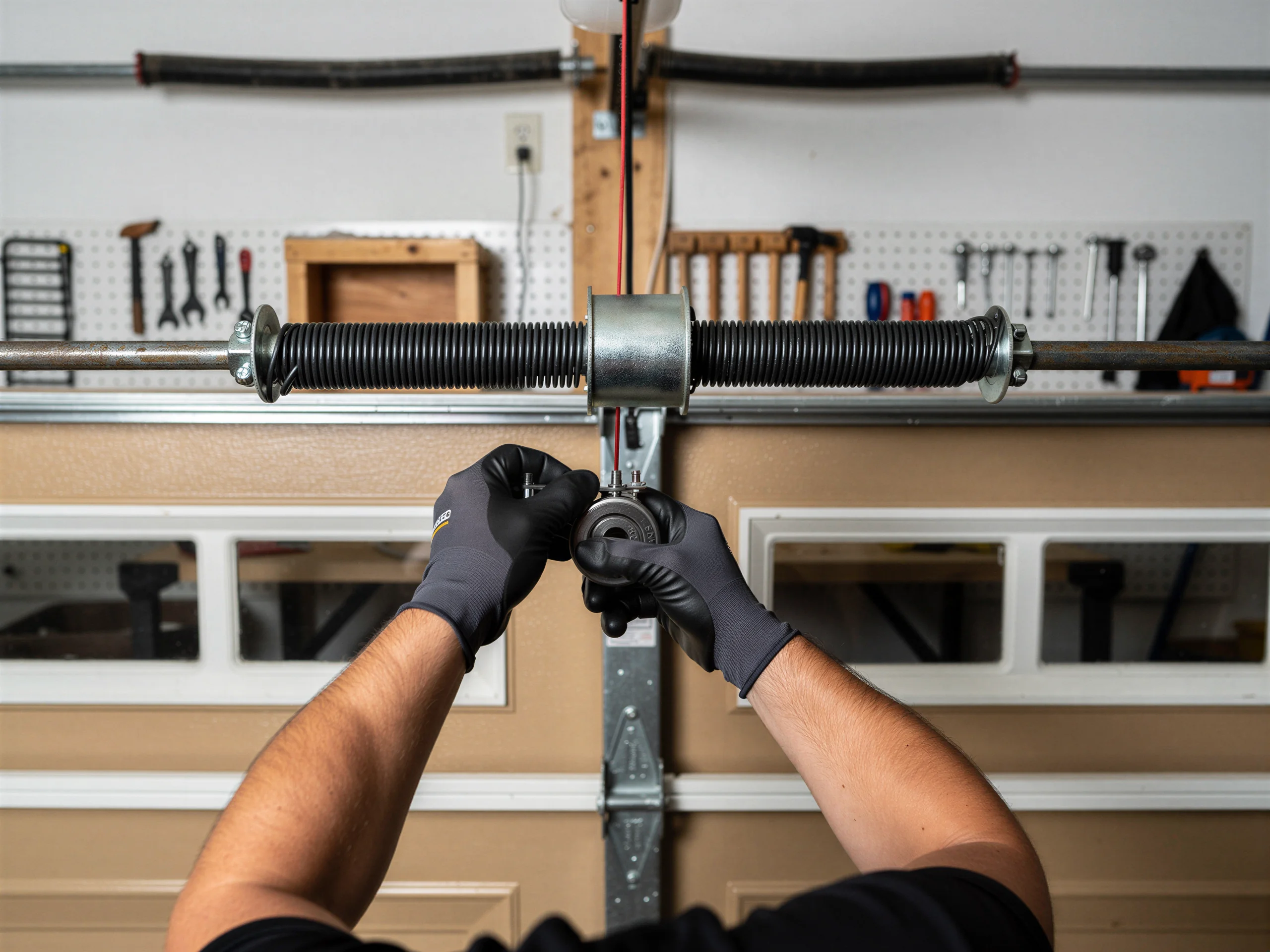
We run out of Kenosha, about 8 miles from Bristol, so we're not sitting in a depot around the corner waiting for the phone. That's the honest limitation up front: if you need someone standing in your driveway in the next ten minutes, we're not that.
What we can do is schedule the drive and bring the right parts the first time, because we know roughly what we're walking into before we get there. That last part matters more here than it sounds.
A service call to a neighborhood built in the 1970s needs a different truck stock than a call to a subdivision from the 2000s, and across the wider Kenosha service area the housing stock runs from 1964 to 1994.
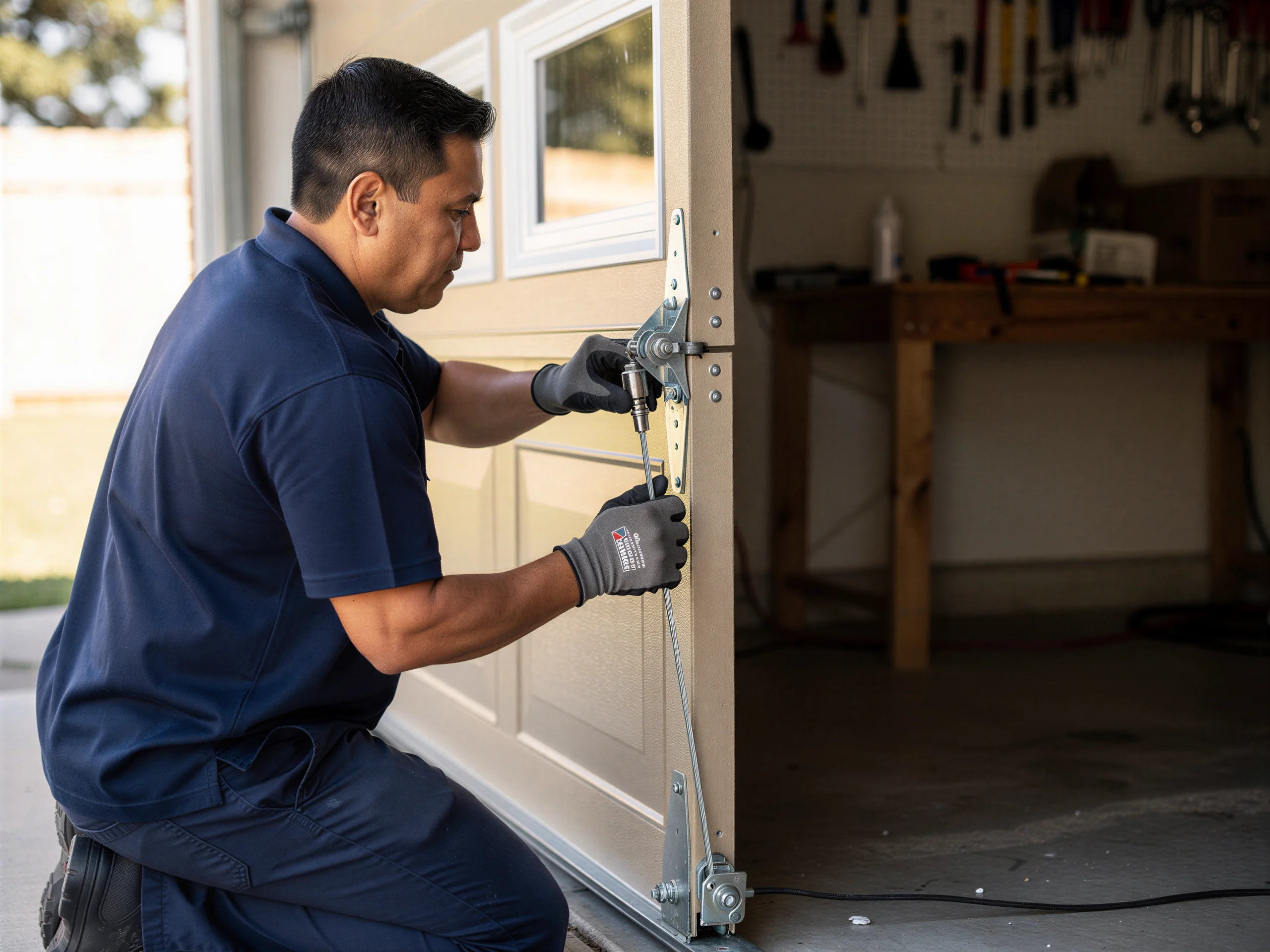
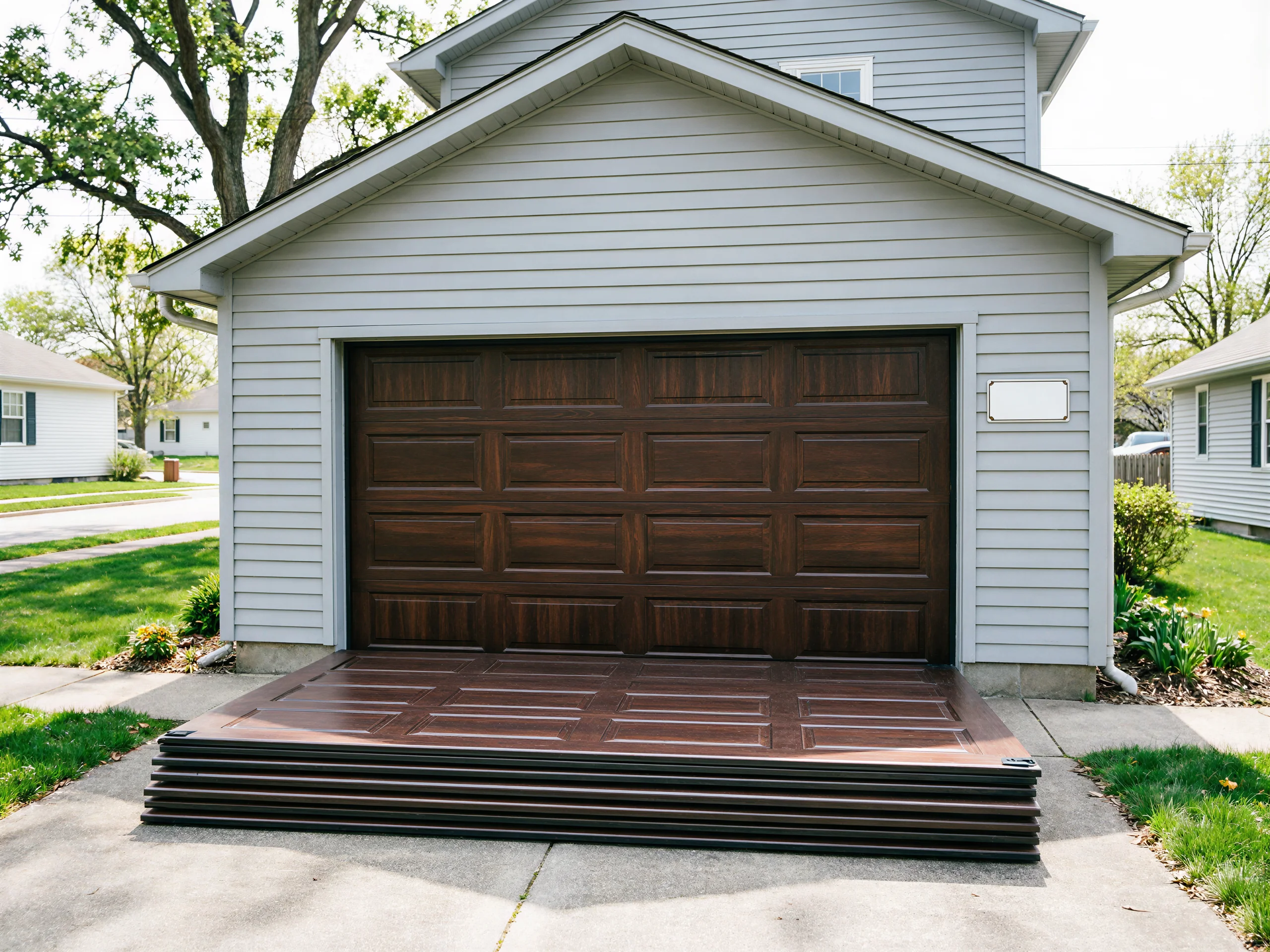
Bristol sits on the newer end of that range, with a median build year of 1981, so we show up expecting torsion hardware and steel sectional doors rather than the older track styles you'd find in some of the other 14 areas we cover. Knowing that before we load the truck saves a second trip, which saves you a second day waiting around.
Local housing
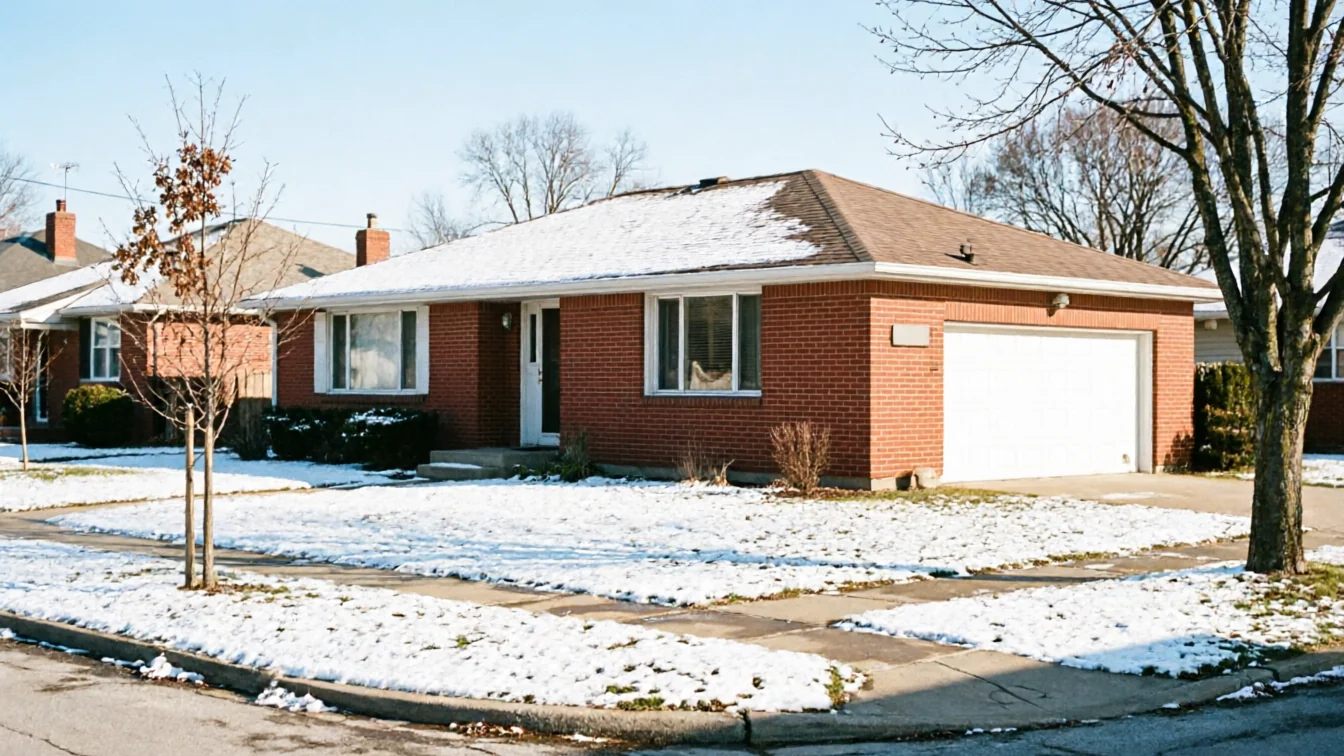
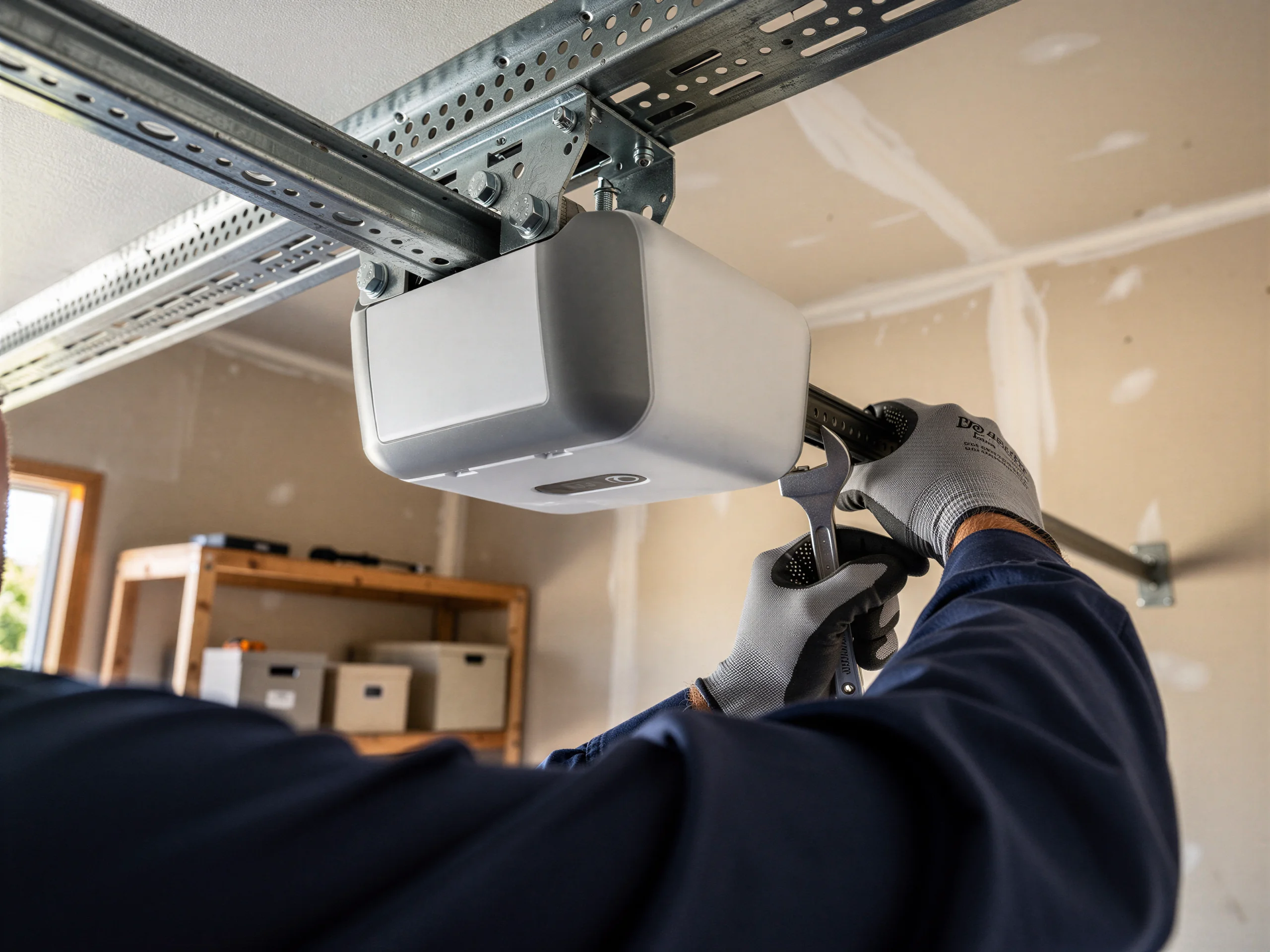
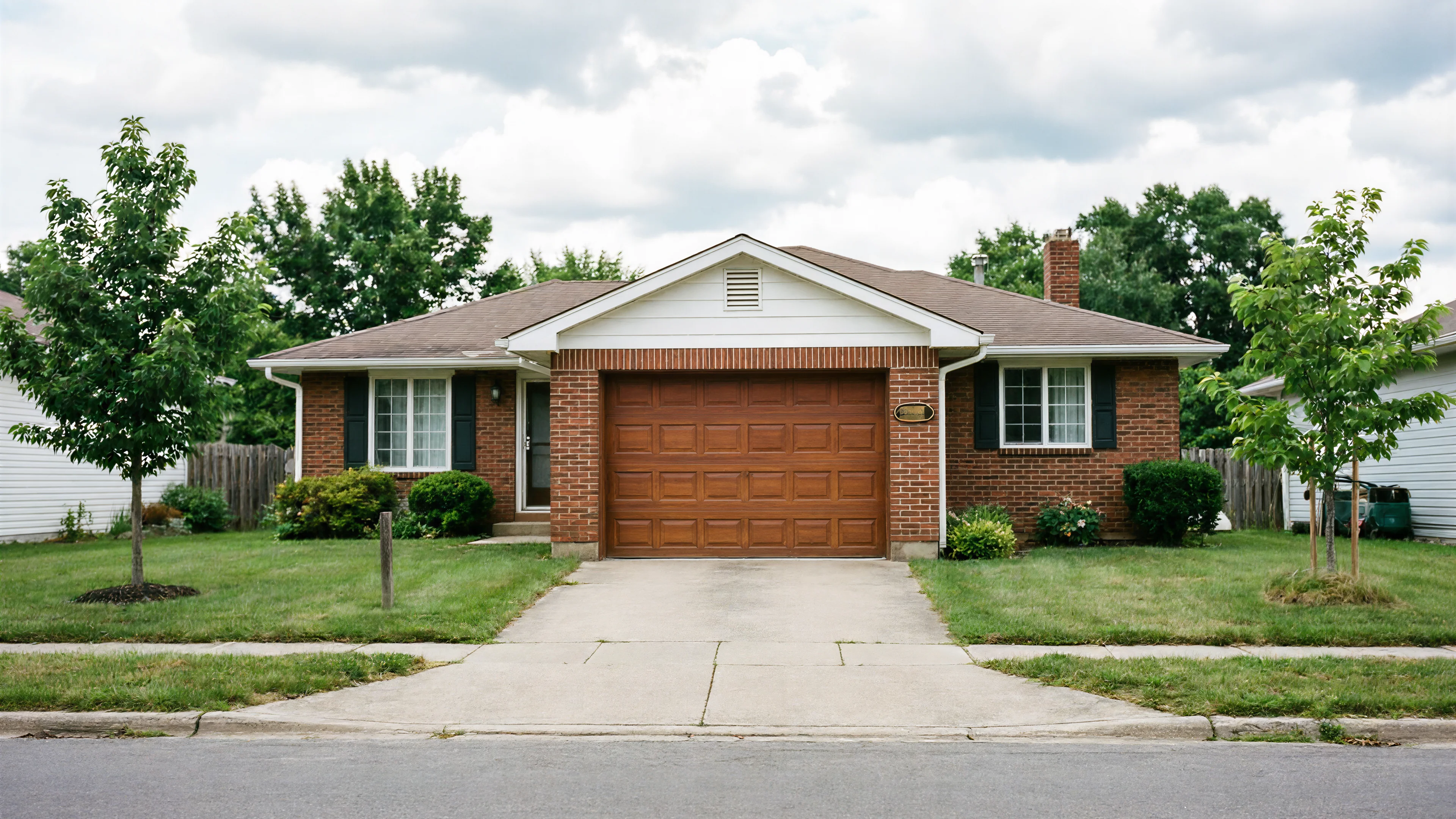
Bristol's housing stock centers on 1981, which puts most of the neighborhood in the late-70s-through-80s build wave rather than the older postwar ring closer to Kenosha itself. With 2,083 households and a median income of $109,917, this is a newer, higher-income pocket compared to a lot of the service area, and the garage doors reflect it: steel sectional panels, torsion springs mounted on a center shaft over the opening, and openers that are more likely to be chain or belt-drive units from the 80s or 90s rather than the older screw-drive relics you find in pre-1970 construction.
That said, 1981 construction is now over forty years old. Panels have taken sun and salt air through a lot of Wisconsin winters, and the original springs on a lot of these doors are well past their rated cycle count even if nobody's noticed a problem yet. The hardware is more standardized than older stock, which is actually good news for us - parts are easier to source and repairs tend to go faster than on houses with odd, discontinued track systems.
Old vs new homes
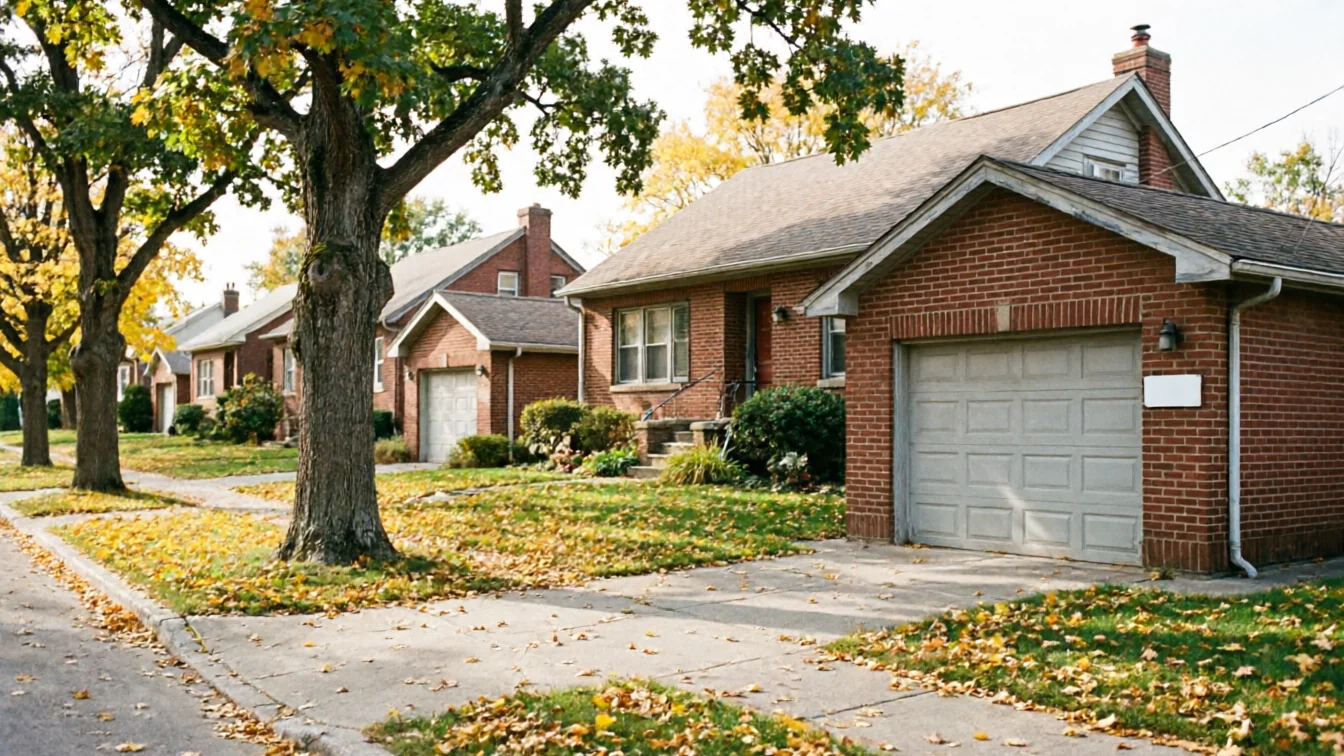
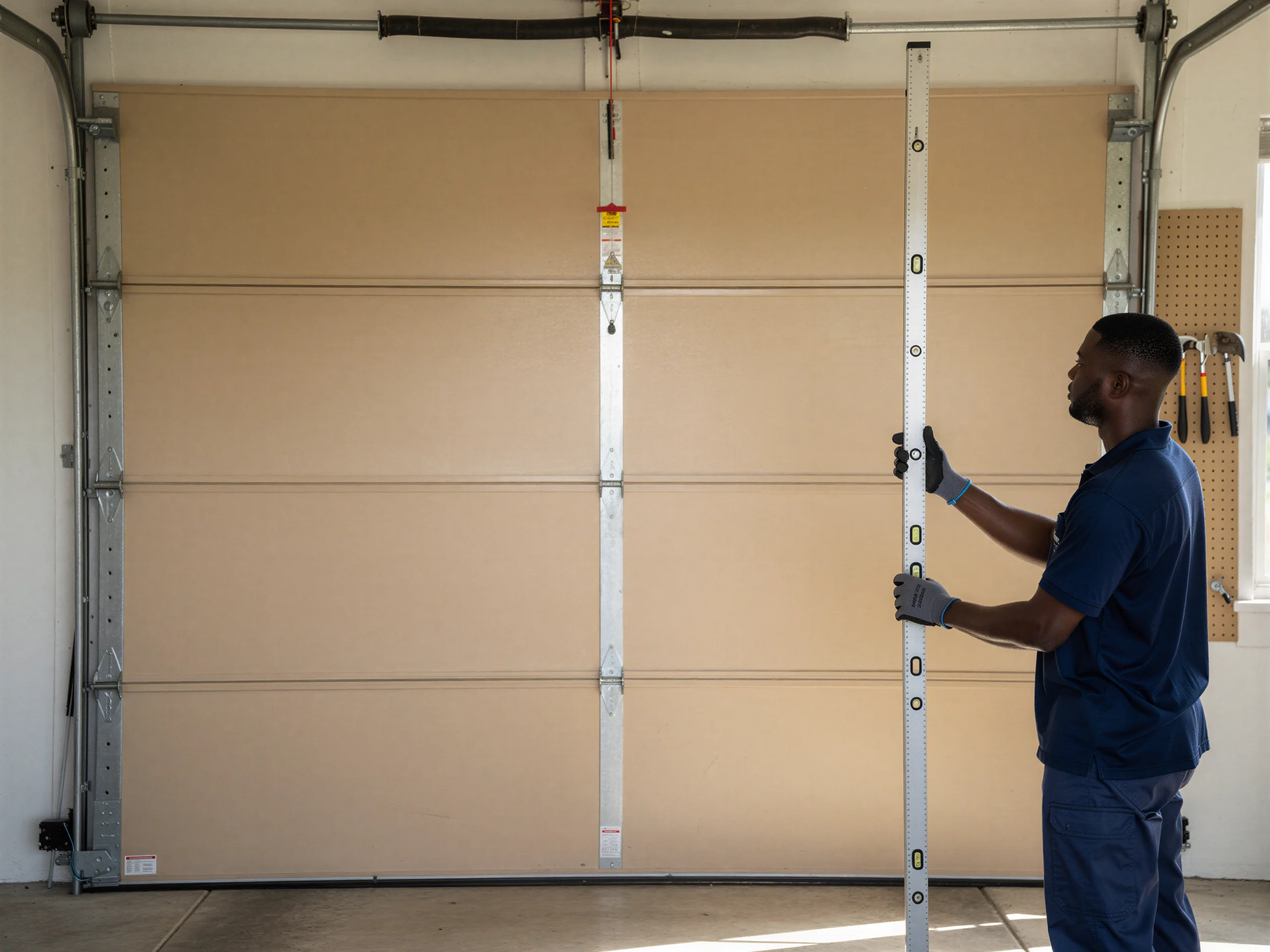
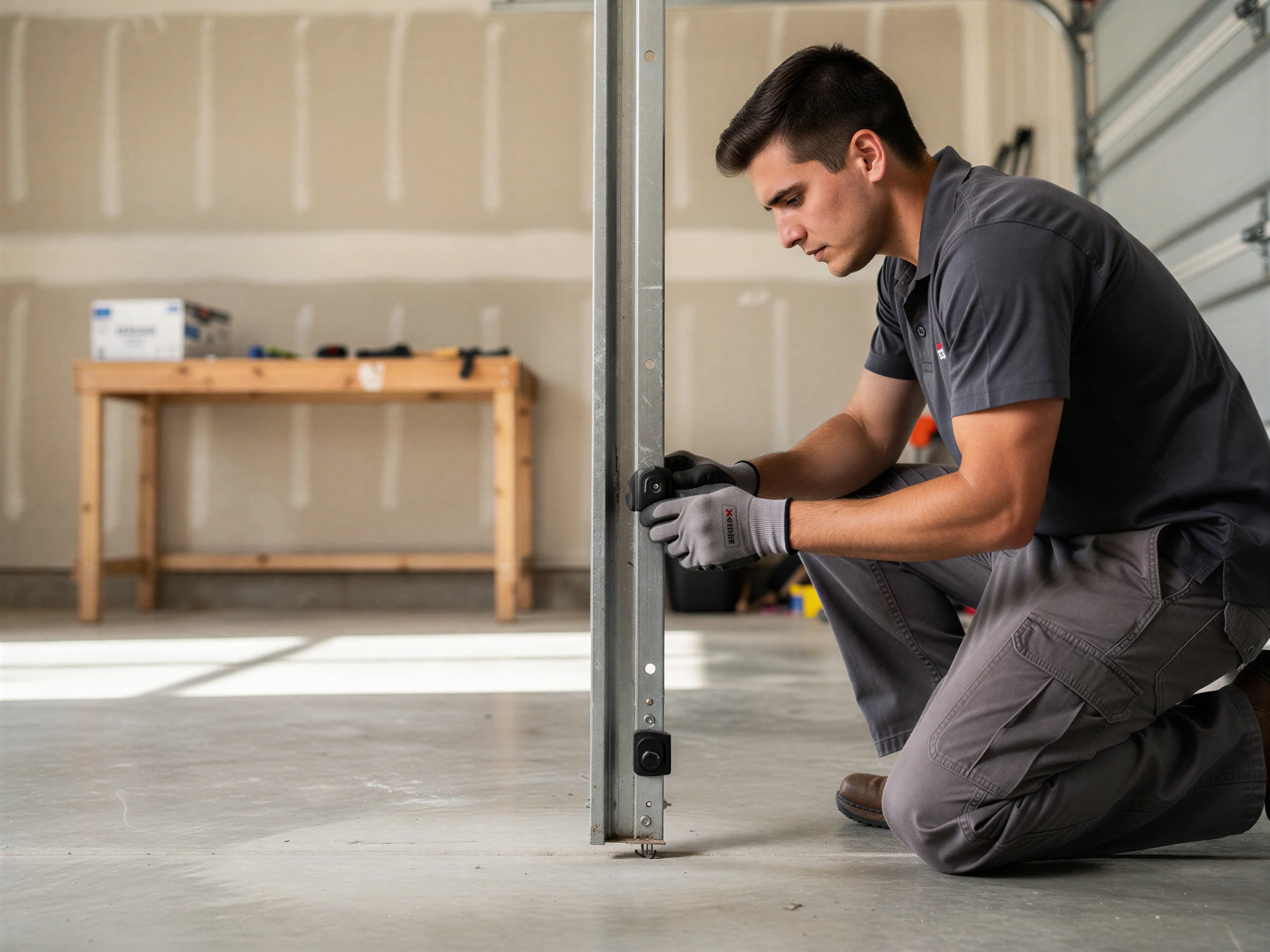
Not every street in Bristol dates to the same stretch of years, and the difference shows up the moment a spring breaks. On a house built right around 1981, you're almost always looking at a standard torsion spring setup on a 7-foot steel door, which is the easiest configuration to stock parts for and the fastest to turn around.
Where it gets slower is on anything built noticeably earlier than the Bristol median. Those houses, if they exist on an older stretch nearby, may still carry extension springs along the horizontal track instead of torsion, or hardware sized for a door style that isn't common anymore. We don't guess on this over the phone - we ask the build year and look at the opener and spring setup in photos if you can send them, because the wrong spring on the wrong door is how people get hurt.
Warning signs
Because Bristol's housing is newer than a lot of the service area, the failures we see tend to be wear-related rather than obsolescence-related. Torsion springs rated for a certain cycle count finally give out.
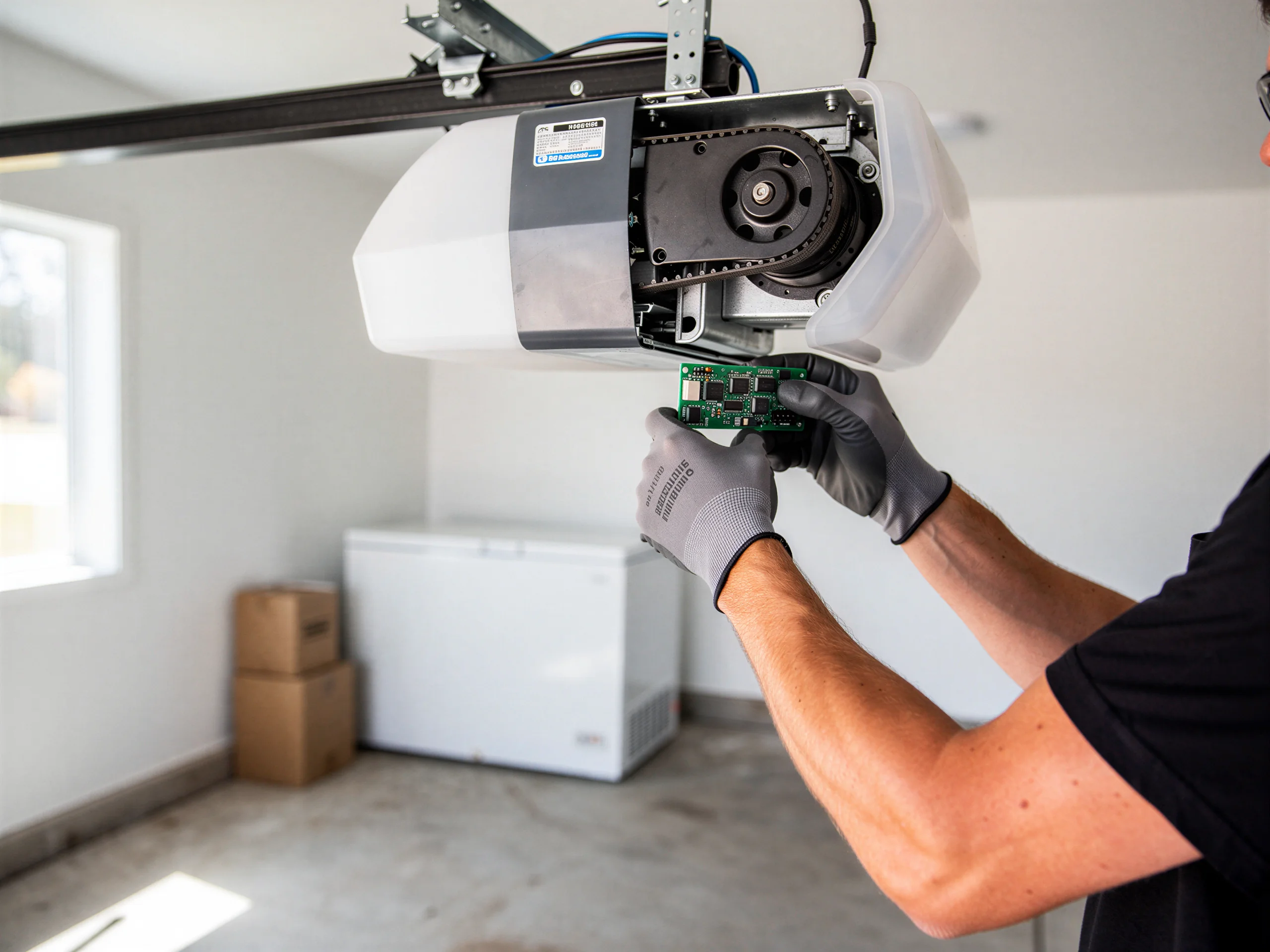
Nylon rollers on 40-year-old steel tracks crack and bind. Opener logic boards from the 80s and 90s stop talking to remote clickers reliably. These are straightforward fixes, not the kind of job where we're hunting for a part that hasn't been made in three decades. Winters here matter too.
The region sits in a cold, moderate climate band, and repeated freeze-thaw cycles stiffen up old weatherstripping and lubricant on any door, newer stock included. A door that opens fine in August can bind or groan in January simply because nobody's regreased the rollers since it was installed.
If your door is sticking only in cold weather, that's usually lubrication and seals, not a structural problem - a cheaper fix than people expect, and worth ruling out before replacing anything.
Service areas
Questions
No. We run out of Kenosha, about 8 miles away, and travel out to Bristol for service calls. We don't advertise a same-day window we can't back up, but we do bring parts suited to Bristol's typical 1980s-era torsion hardware so most jobs are finished in one visit.
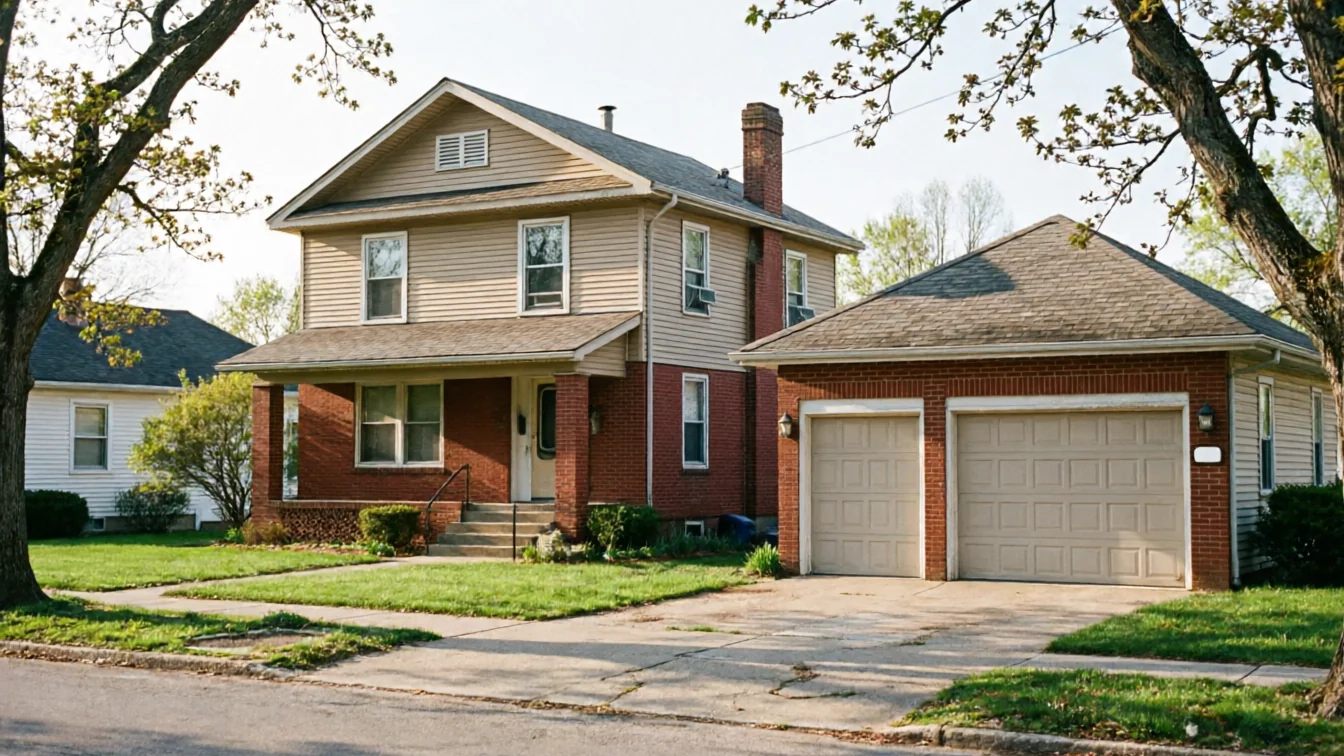
Most houses in Bristol were built around 1981, so you're typically looking at a steel sectional door on torsion spring hardware with a chain or belt-drive opener from that era or a replacement since. It's a more standardized setup than older housing stock nearby, which usually means parts are easier to find.
In this climate band, cold snaps stiffen old lubricant and weatherstripping, which makes a door that runs fine in warm months drag or groan once temperatures drop. On a 40-plus-year-old door, that's often just grease and seals, not a sign the whole unit needs replacing.
Depends on what's wrong. A worn spring, roller, or opener on a structurally sound 1981-era steel door is almost always a repair, not a replacement. If the panels themselves are dented, rusted through, or the track is bent beyond adjustment, replacement usually costs less over time than patching around it.
Ready when you are
Kenosha Garage Door Pros repairs and installs garage doors, springs and openers in Kenosha, WI and the surrounding area.