
Blog
Why So Many Kenosha Garage Doors Have No Insulation at All
Most Kenosha garage doors date to 1964-1994, before energy codes required insulation. Here's what that means for comfort, cost, and repairs in cold winters.
When Waiting Is Fine
Not every uninsulated door needs to come out this year. If your garage sits detached from the house, or you don't heat it, an uninsulated steel or wood-panel door from the 1964-1994 building wave can keep doing its job for a long time yet. A new bottom seal and some fresh weatherstripping closes most of the air gap for a fraction of what a full panel swap costs. With median household income in the area around $92,803, plenty of owners could afford a replacement door tomorrow - but that doesn't mean it's the right call this year. We tell people this more than they expect: if the door still opens true, the track isn't bent, and the only complaint is that the garage feels cold in January, fix the seals first and see how it feels. Replacement earns its keep when the steel itself is thin, dented, or rusting through, not just when it lacks foam. That's the honest version of this, even though a bigger job pays better.
What Is Going On
The housing stock in and around Kenosha mostly went up between 1964 and 1994, with the typical year sitting at 1976, and that pattern holds across all 14 named areas we work in, not just the older core streets. Garage doors from that window are almost always single-layer steel or solid wood - no foam core, no thermal break at the track, nothing between the outside air and your garage but a sheet of metal. Manufacturers didn't start building insulation into standard residential doors until well after most of these houses were framed. So when a homeowner on a 1976-built street asks why the garage is always ten degrees colder than the house, the answer usually isn't a broken door - it's a door that was never built to hold heat in the first place. It was built to open and close reliably, which, to be fair, most of them still do.
What the Weather Here Does to It
Kenosha sits in a cold, moderate climate band - real winter swings, but not the extremes some parts of the upper Midwest see. That still matters a lot to a bare steel panel. Uninsulated doors flex more as temperatures drop, and on the coldest mornings that flex is what you hear as a pop or a groan when the door first moves. Condensation is the other half of it: warm, moist air inside the garage meets cold steel and beads up on the inside of the panels, which over years turns into rust at the bottom corners where water sits longest. None of this is dramatic. It's slow. A door built in 1976 wasn't designed with a thermal break, so every freeze-thaw cycle this region gets works on it a little, and after enough winters that shows up as sagging panels, stiff rollers, or hardware that's rusted past adjusting.
What Most People Get Wrong
The biggest mix-up we run into: people think a new strip of weatherstripping or a tube of foam sealant along the frame is the same thing as an insulated door. It isn't. Sealing the gaps around a door stops drafts; it doesn't stop the panel itself from conducting cold straight through, which is what an insulated door with a foam core actually does. The other common assumption is that any door bought in the last ten years is automatically insulated - plenty of budget replacement doors still ship as single-skin steel, same as the originals from the 1964-1994 era. If comfort is the actual goal, not just stopping a draft, the door needs an R-value, not just a seal. We'll tell you straight if a repair will get you most of the way there, because a full insulated replacement isn't always the better dollar-for-dollar move on an older house.
Questions
Common questions
Is my garage door original to the house if it was built in the 1970s?
It's possible, especially on streets in the older part of the service area where houses date to the 1964-1994 stretch. Original doors from that era are almost always uninsulated steel or wood, with no foam core and a basic track system. If the door has never been replaced, assume it predates any insulation requirement.
Does weatherstripping fix a cold garage?
It helps with drafts around the edges, but it doesn't insulate the panel itself. A bare steel door still conducts cold straight through the middle, no matter how tight the seal is at the frame. If the garage still feels cold with good weatherstripping, the panel is the issue, not the gap.
How do I know if my door needs insulation versus just a repair?
If the steel is sound, the track is straight, and the only complaint is temperature, start with sealing and see how much it changes. If panels are rusting, sagging, or dented from years of condensation, that's a sign the uninsulated steel has taken real damage and replacement is the better long-term move.
Recommendation
You Might Also Like
More garage door guides for Kenosha homeowners.
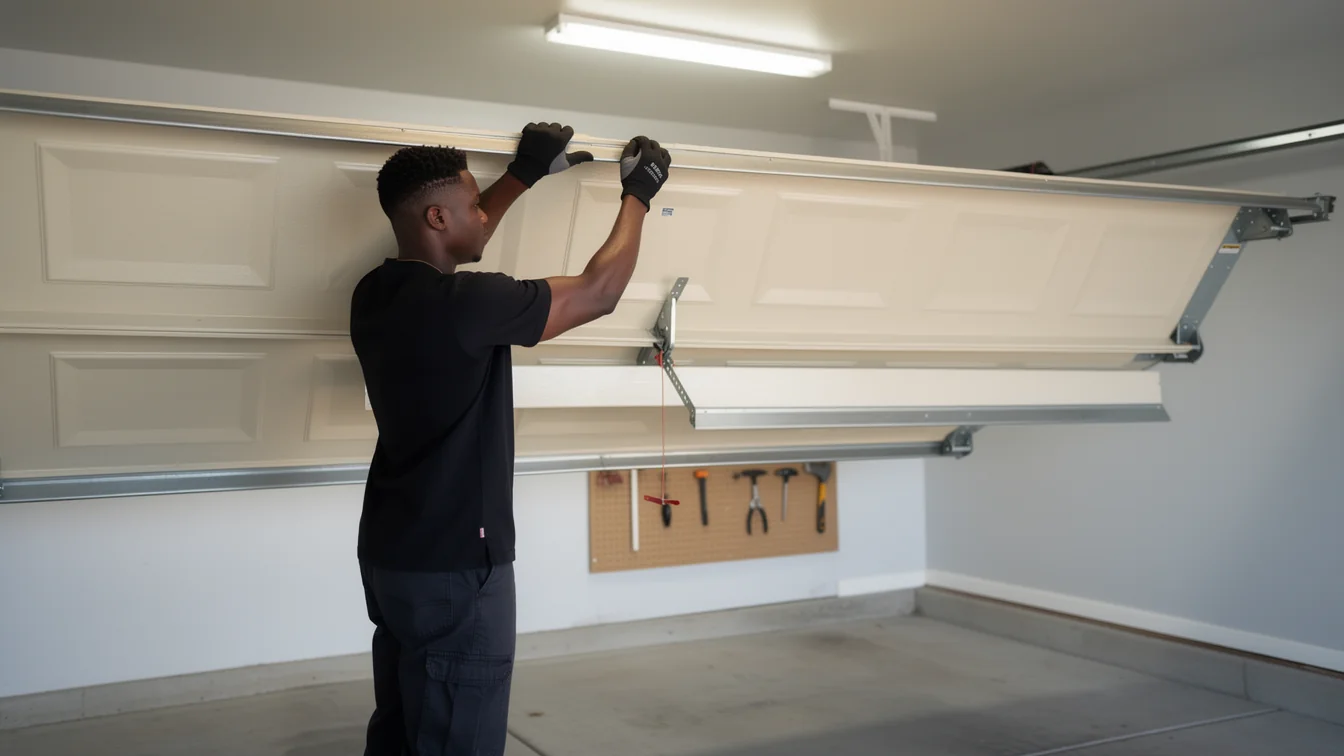
What That Grinding, Popping, or Scraping Sound Is Telling You
Most Kenosha-area homes date to 1964-1994, and the cold winters here make old rollers and springs noisy.
Read guide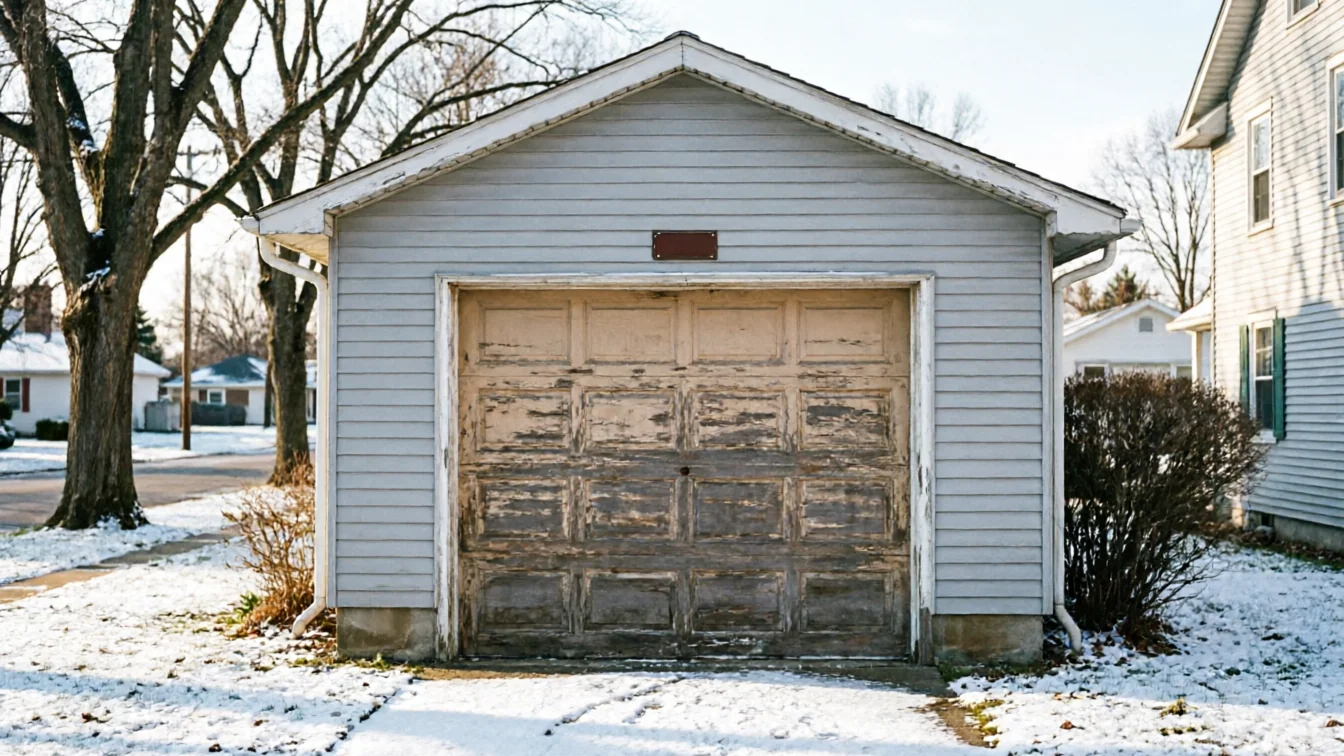
Openers, Power Cuts, and the Houses Kenosha Actually Has
Most Kenosha homes date to 1964-1994, and that opener age plus cold-climate power cuts changes what actually breaks.
Read guide
What Actually Happens When We Come Out for a Service Call
A Kenosha service call checks the parts most likely to fail on 1960s-90s doors in a cold climate: springs, cables, rollers, track alignment, and opener settings.
Read guideReady when you are
Need a garage door sorted in Kenosha?
Kenosha Garage Door Pros repairs and installs garage doors, springs and openers in Kenosha, WI and the surrounding area.