
Blog
What That Grinding, Popping, or Scraping Sound Is Telling You
Most Kenosha-area homes date to 1964-1994, and the cold winters here make old rollers and springs noisy. Here's which sounds to wait on and which to call.
When Waiting Is Fine
Not every sound needs a truck. A single soft thud when the door hits the floor is usually just the door seating on an uneven slab, common enough in houses built through the 60s, 70s, and 80s when foundations weren't poured to today's tolerances. A light rattle in the track on a windy day, or a brief squeak right after a cold snap breaks, is often just old grease doing what old grease does when the temperature swings. If the door still opens and closes smoothly, closes flush, and the noise doesn't change or get louder from one week to the next, you can wait.
What you shouldn't wait on is anything that's new and getting worse - a noise that wasn't there last month, or one that's louder every time you use the door. In houses built around the median year here, 1976, a lot of original hardware is still in service, and hardware from that era doesn't fail gradually and then stop. It fails gradually and then all at once. If a sound has a clear before-and-after, that's the one to act on, not the one to ignore.
What Is Going On
Most of what you're hearing comes down to age and metal fatigue, and across this service area - 14 named areas, mostly 1960s and 70s stock - that's a specific, dateable kind of wear. A grinding sound usually means a nylon roller has worn through to the steel core and is now riding metal-on-track. A rhythmic creak as the door lowers, especially on a torsion-spring door, often points to a spring that's lost tension evenly on both coils - not broken yet, just tired. A sharp bang partway through a cycle is almost always a cable or a loose fitting on the track, not the opener.
Houses built close to the 1976 median around here were mostly built with extension springs or early torsion setups, and that hardware is now old enough that bearings have outlived their grease more than once. A popping sound on the way up, paired with the door jerking instead of gliding, usually means a bearing has gone dry inside the spring cone - something you can hear coming before it breaks outright. None of this is exotic. It's just what 50-plus-year-old steel does under daily load.
What the Weather Here Does to It
This area sits in a cold-moderate climate band, and that swing between summer heat and hard winter cold is what turns a quiet door into a noisy one. Grease inside rollers and bearings thickens as the temperature drops, so a door that ran silent in September can start grinding by January - not because anything broke, but because the lubricant stopped doing its job at low temperatures. That's why a lot of the calls we get after a cold stretch are doors that were fine a month earlier.
The same swing works the hardware itself. Steel contracts in the cold and expands again once it warms, and on a track or hinge that's already slightly worn, that cycle opens up just enough play to turn a tight fit into a rattle. On houses built in the 1964-1994 window, where the original track hardware is often still in place, this seasonal tightening and loosening is the single biggest reason a door that's been fine for years suddenly isn't. It's not a defect - it's forty-plus winters catching up with it.
What Most People Get Wrong
The most common mistake is spraying general lubricant on a noise and assuming that fixes it. On a roller or hinge that's actually worn, grease will quiet the sound for a week or two and then the noise comes back louder, because the lubricant didn't address the metal-on-metal contact underneath it - it just masked it. We'll say plainly: if a part is worn through, oiling it is a delay, not a repair.
The second mistake is waiting on a torsion spring noise because the door still opens. A spring under uneven tension doesn't give much warning before the cable or the other spring takes the extra load and fails too, and that's a heavier repair than catching it early. We don't recommend DIY spring adjustment on any door - the tension involved can cause real injury, and that's a limitation we're upfront about, not a sales pitch. If the sound is coming from the spring side of the door, that's the one call worth making sooner rather than later.
Questions
Common questions
My garage door started grinding this winter but was fine all fall. Is that normal?
It's common here. The cold-moderate swing this area gets means grease in older rollers and bearings thickens as temperatures drop, so a door that ran quiet in September can start grinding by January without anything actually breaking. Worth a look if it doesn't ease up once temperatures level out, since a grinding roller does eventually wear through.
Is a popping sound on the way up something to worry about?
Usually yes. A popping sound as the door rises, especially paired with jerky movement instead of a smooth pull, often means a bearing inside the spring cone has run dry. In houses from the 1964-1994 era around here, that hardware is old enough that this is one of the more common failure points we see.
Can I just oil the noisy part myself?
You can, and it may quiet things down for a week or two. But if the noise comes from a part that's actually worn through rather than just dry, lubricant won't stop the wear underneath it. We'd rather tell you that upfront than have you spray it monthly on a part that needs replacing.
Recommendation
You Might Also Like
More garage door guides for Kenosha homeowners.
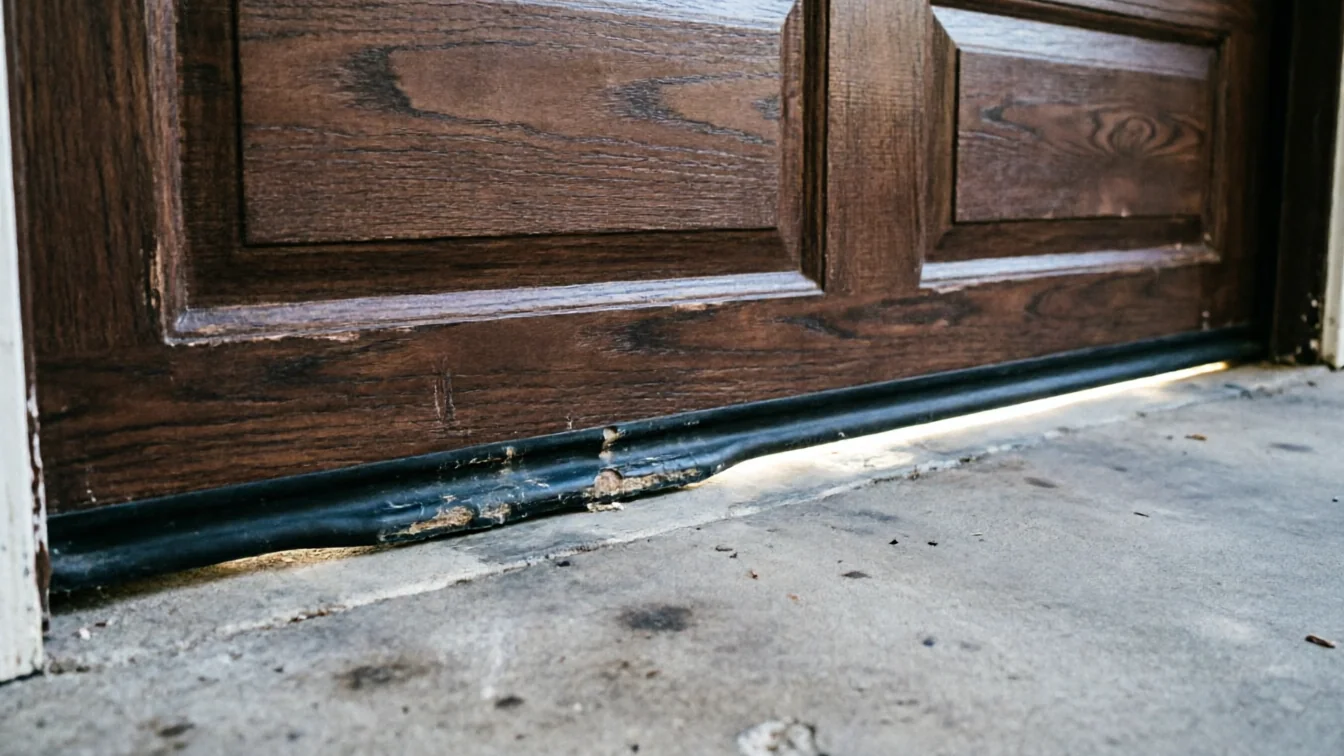
Why So Many Kenosha Garage Doors Have No Insulation at All
Most Kenosha garage doors date to 1964-1994, before energy codes required insulation.
Read guide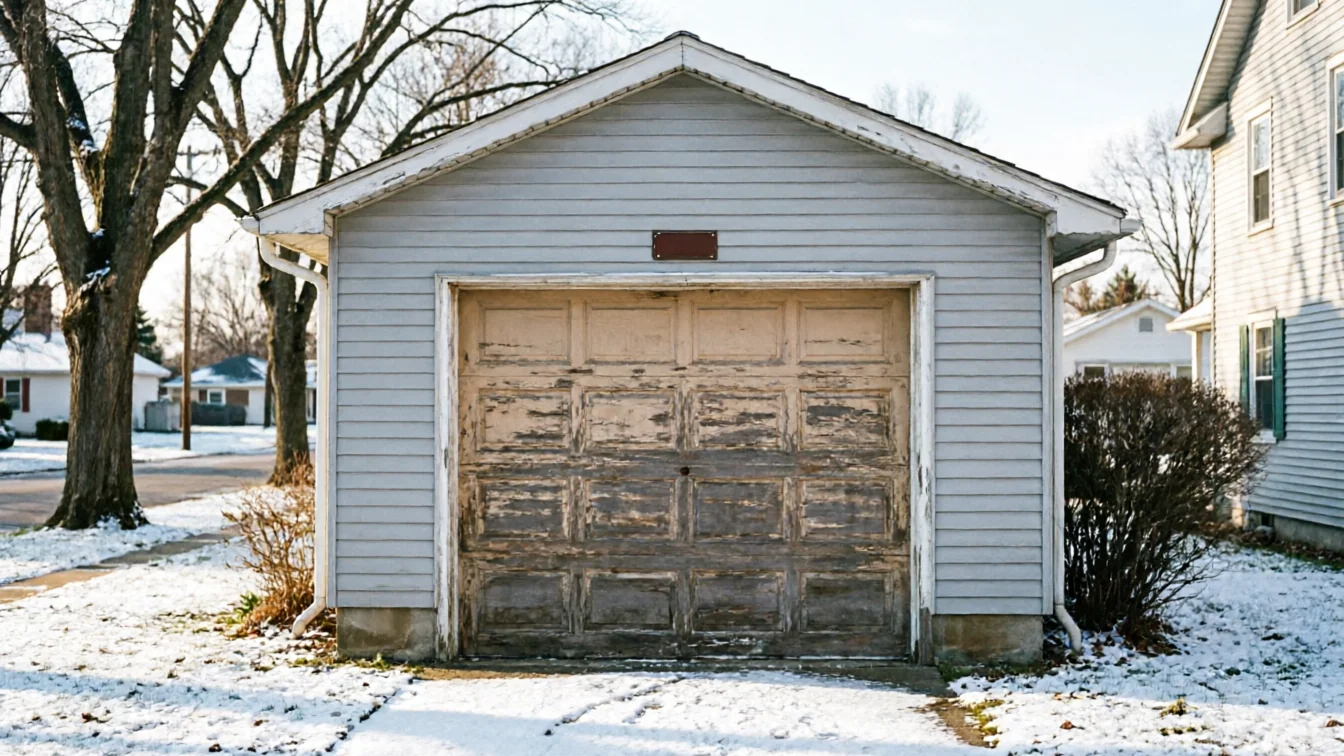
Openers, Power Cuts, and the Houses Kenosha Actually Has
Most Kenosha homes date to 1964-1994, and that opener age plus cold-climate power cuts changes what actually breaks.
Read guide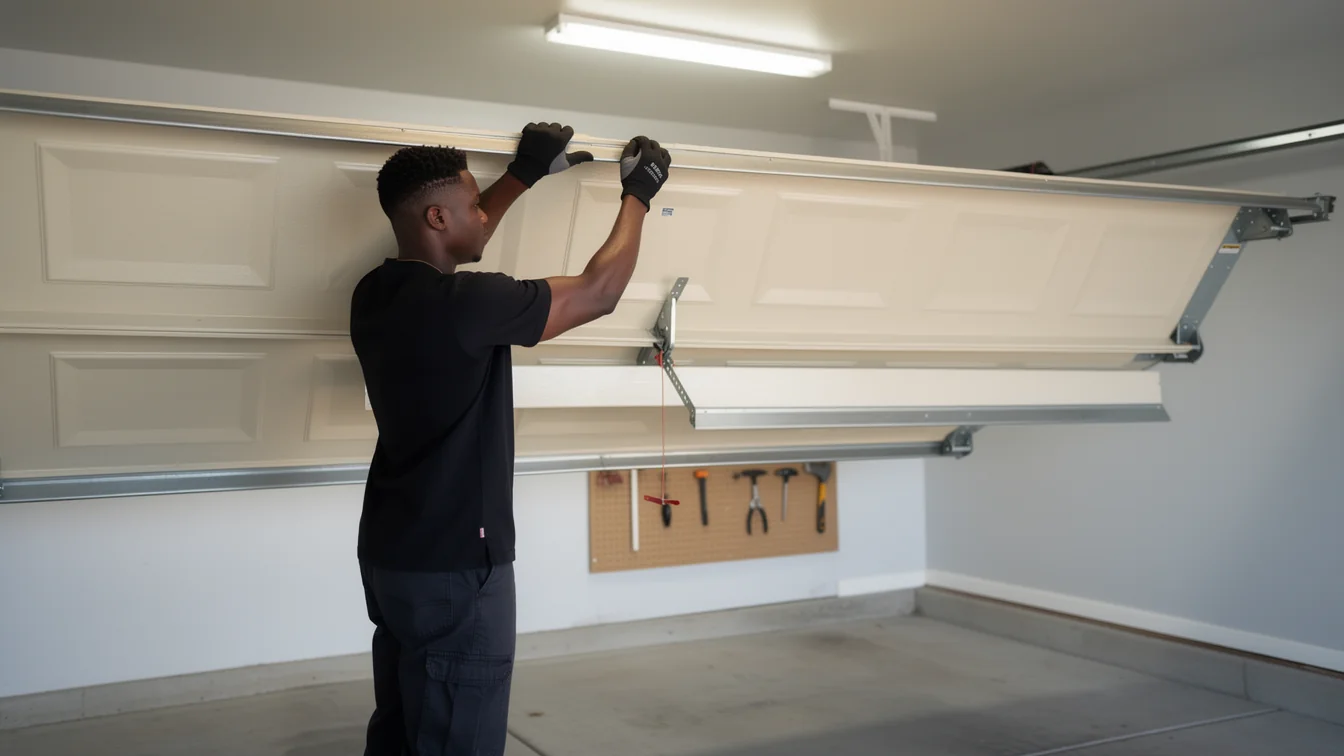
What Actually Happens When We Come Out for a Service Call
A Kenosha service call checks the parts most likely to fail on 1960s-90s doors in a cold climate: springs, cables, rollers, track alignment, and opener settings.
Read guideReady when you are
Need a garage door sorted in Kenosha?
Kenosha Garage Door Pros repairs and installs garage doors, springs and openers in Kenosha, WI and the surrounding area.