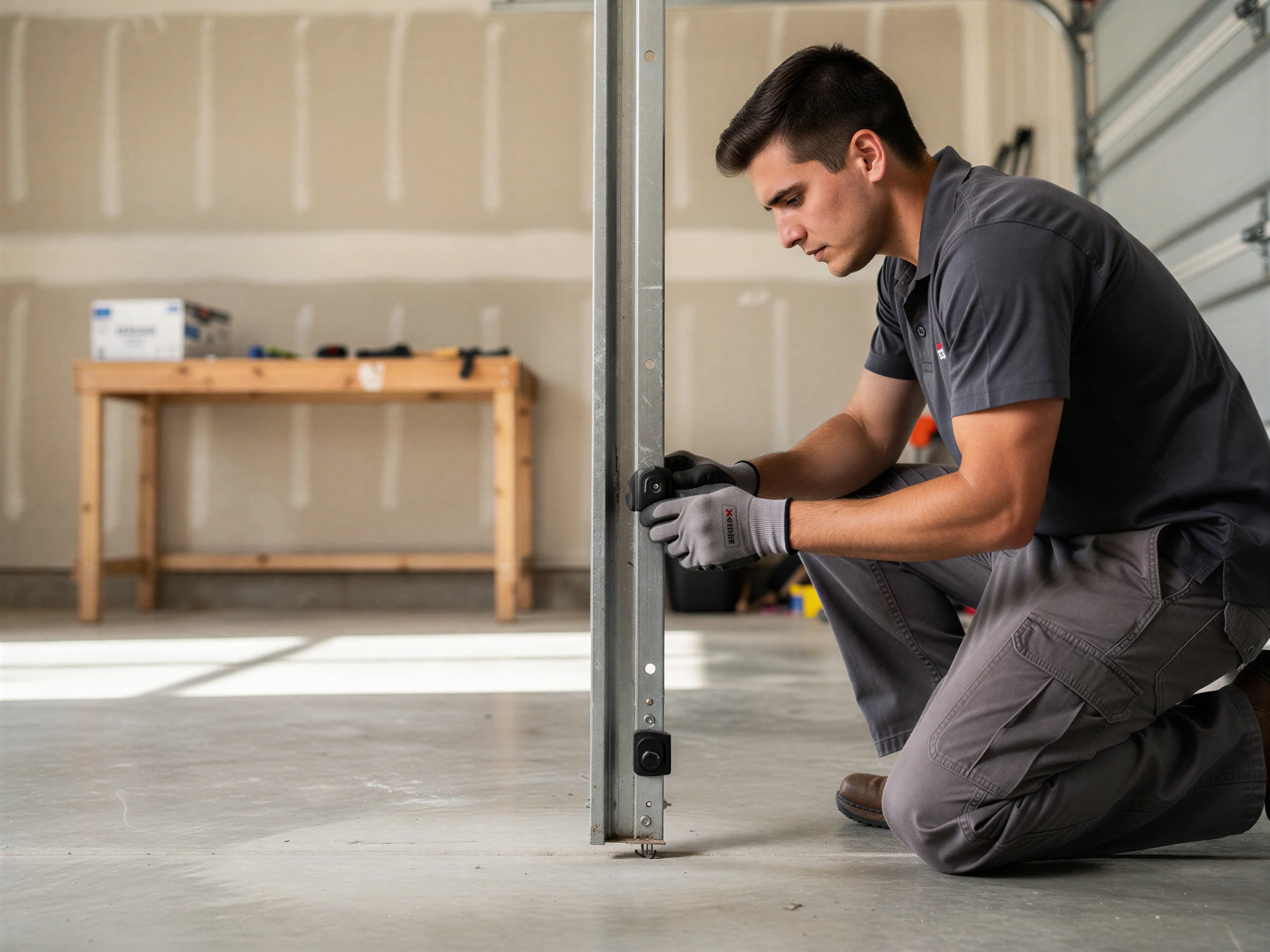
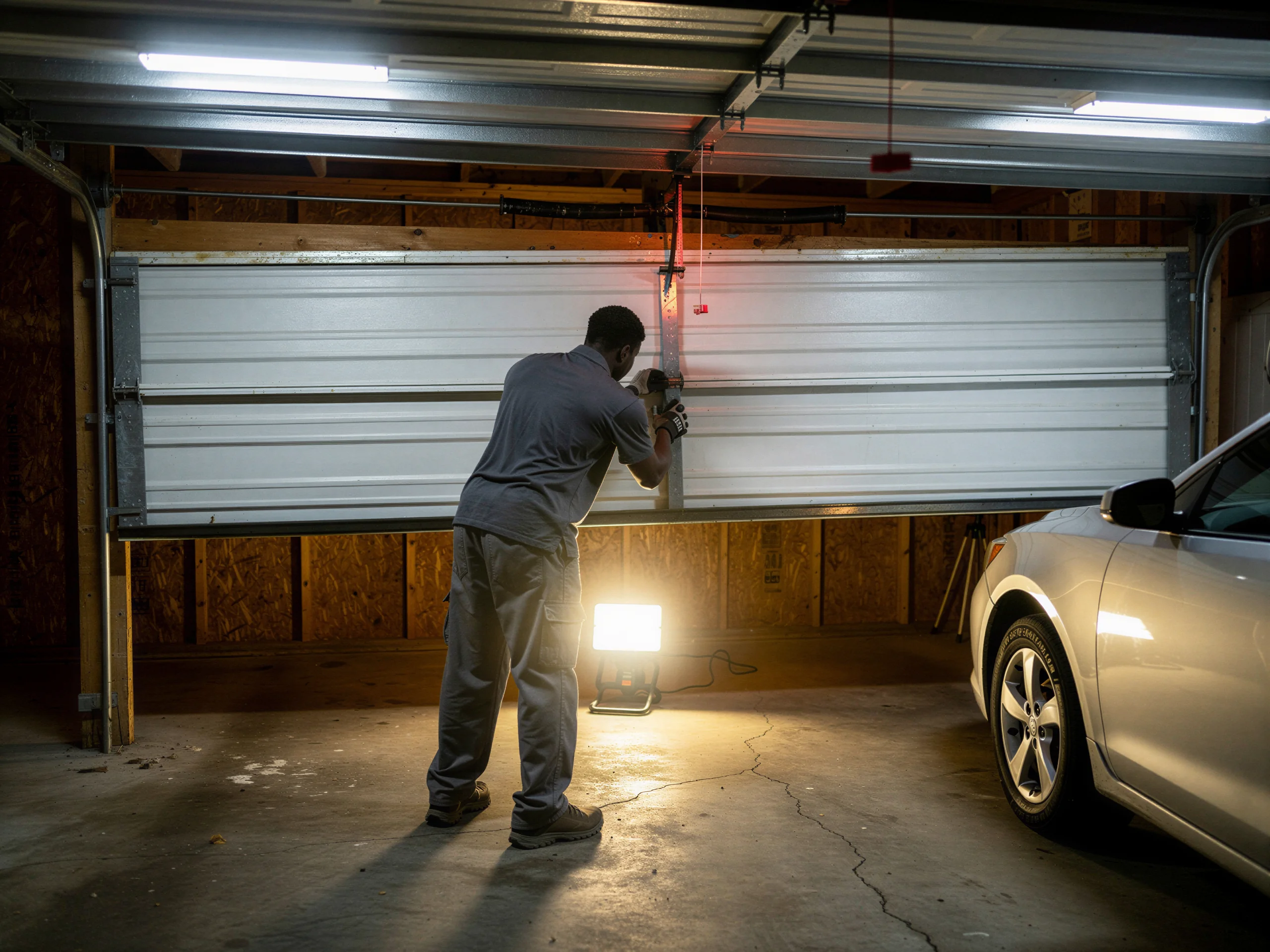
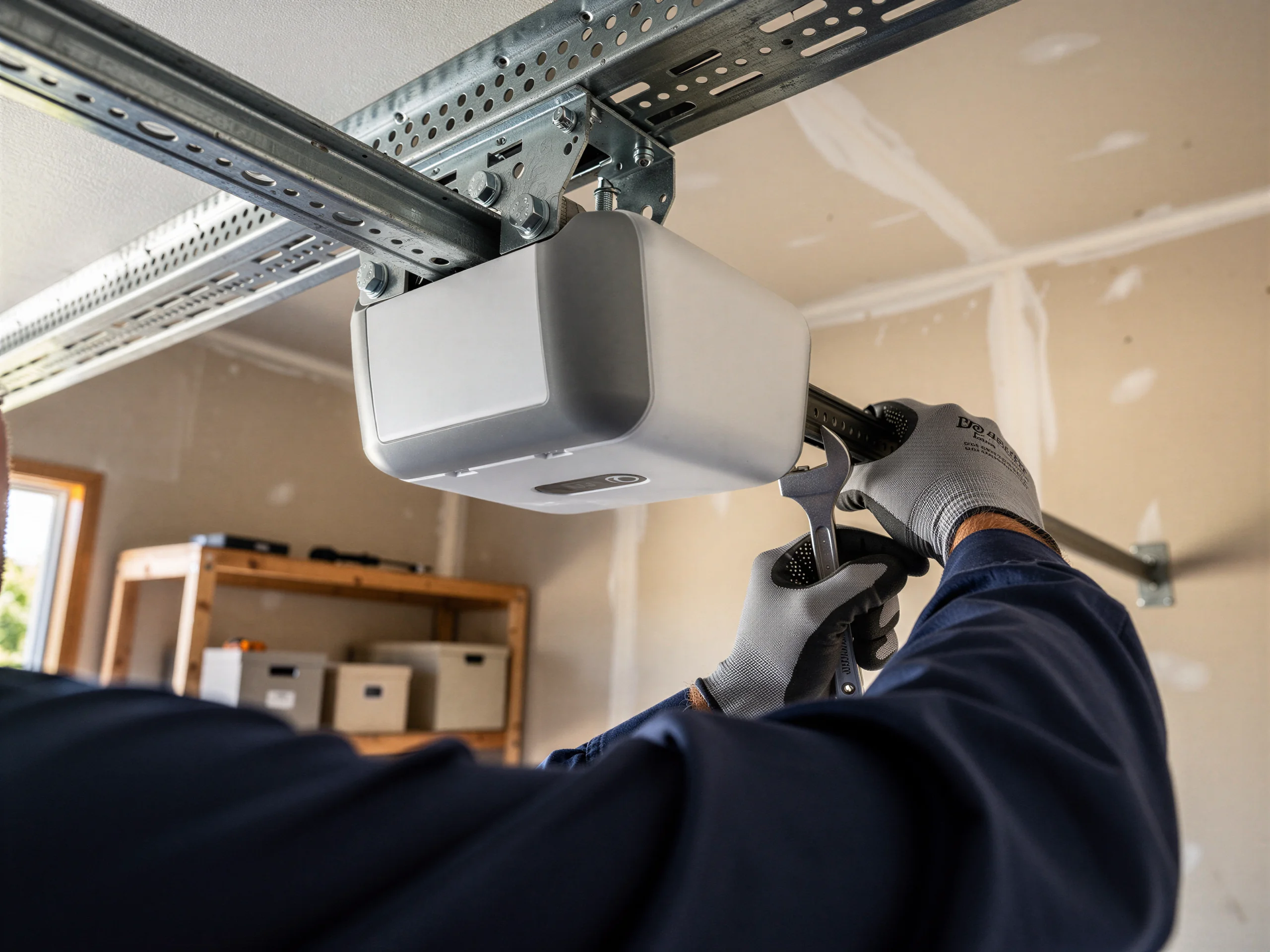
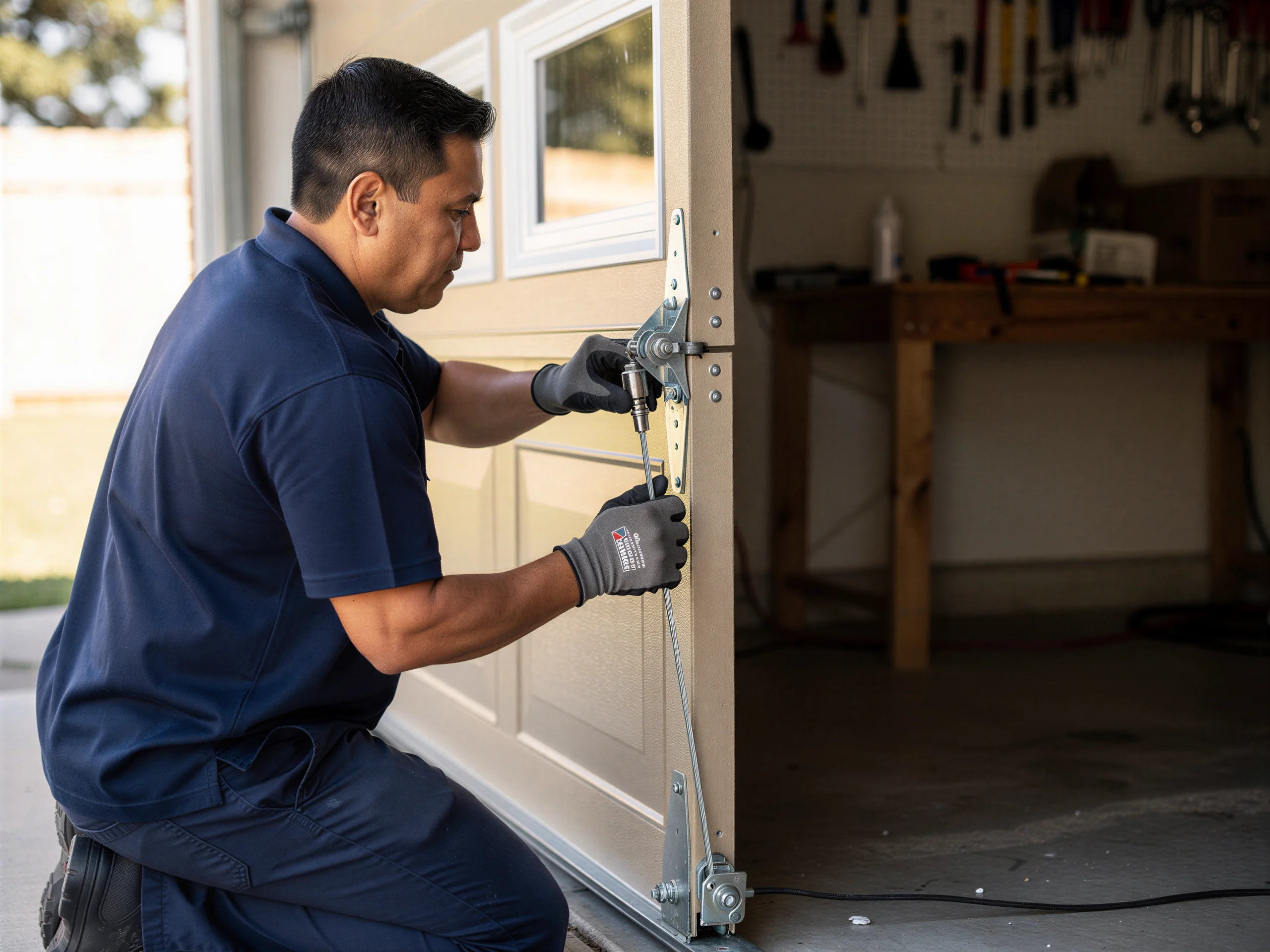
This area sits in a cold, moderate climate band, and that matters more to a garage door than most owners think. Steel track contracts in winter cold and expands again in summer heat, and over four or five decades that cycle works screws loose and nudges track brackets out of true alignment - a slower, quieter failure than a single storm, but a steady one.
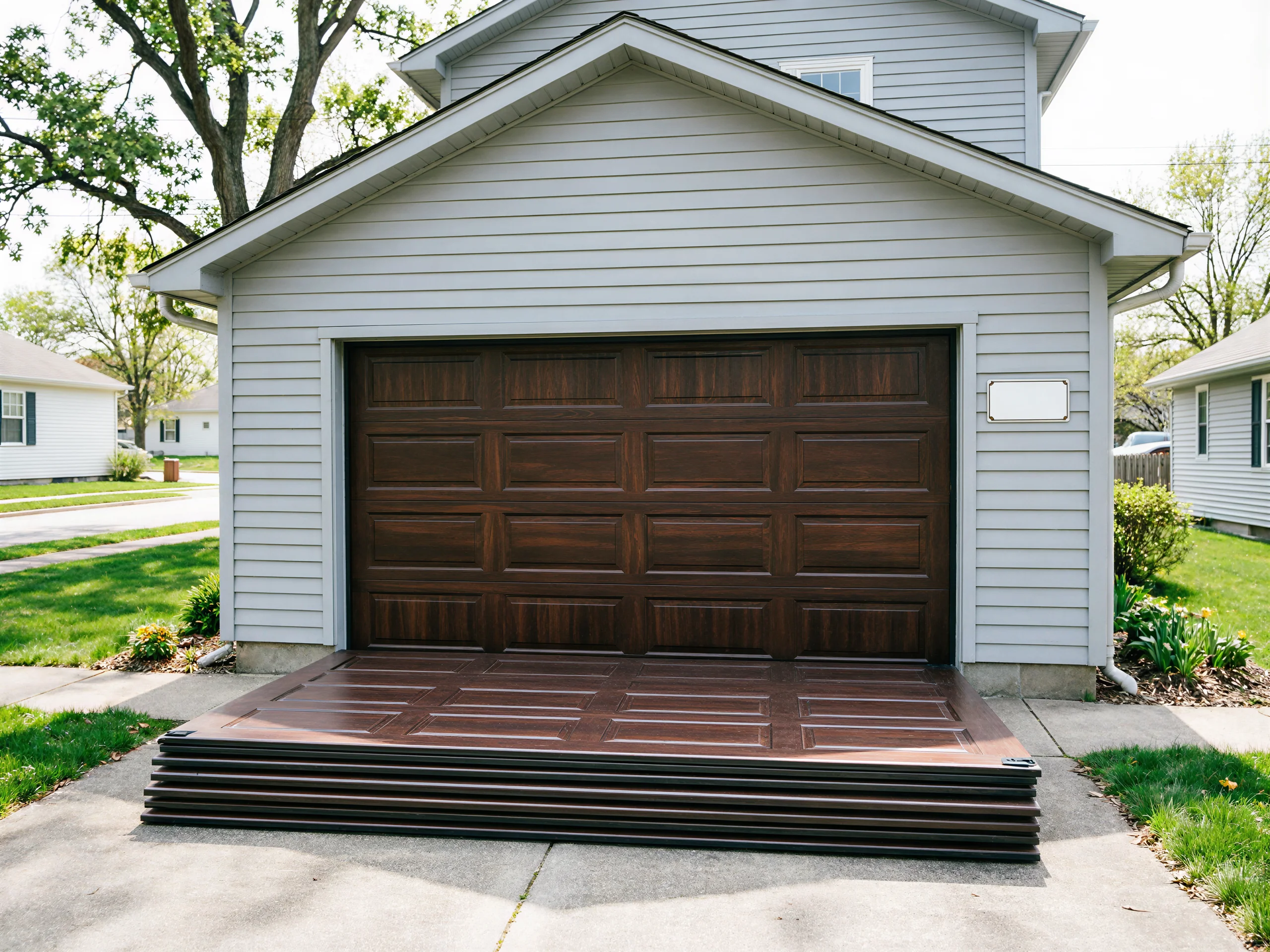
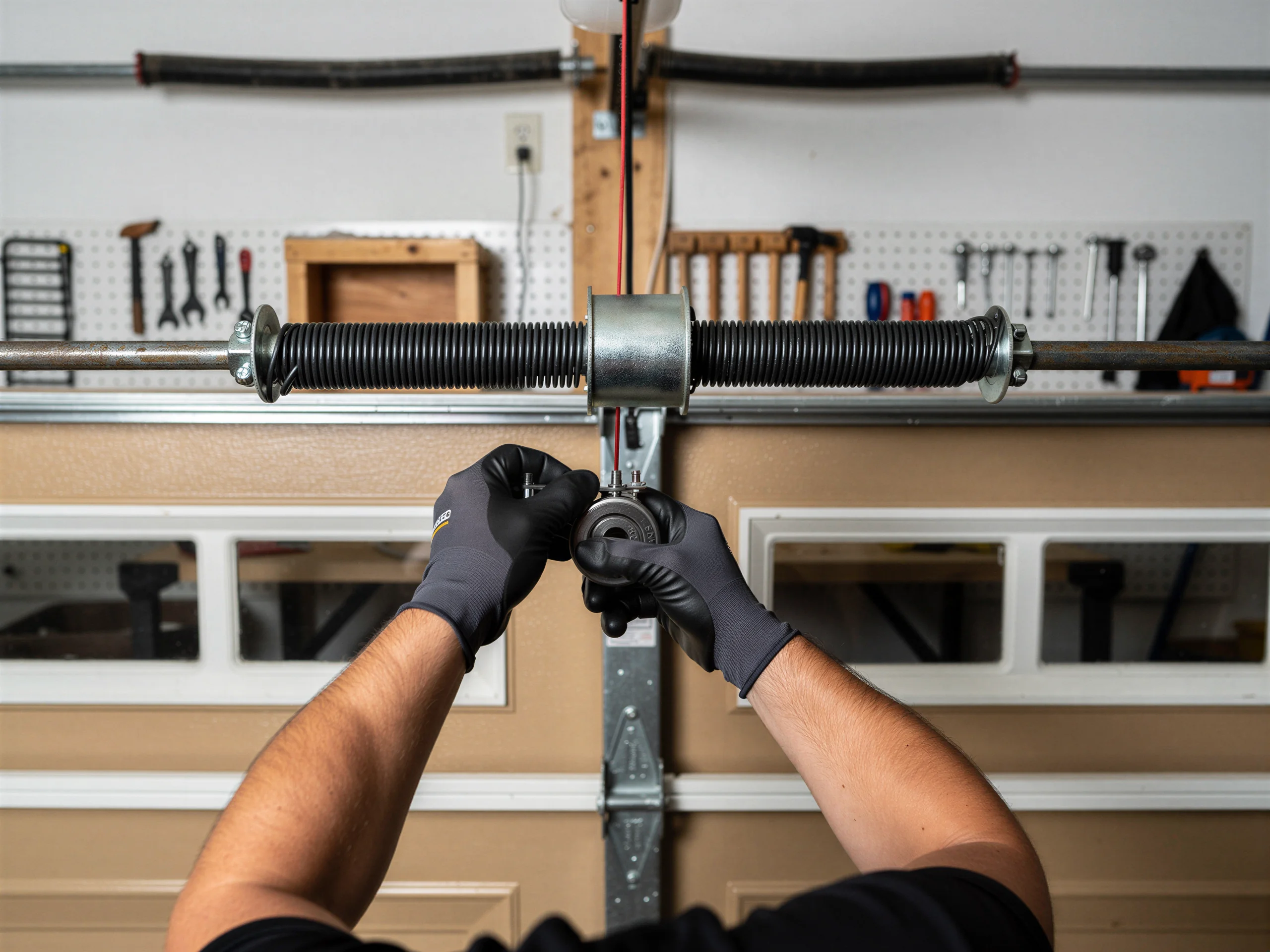
Pair that with the housing stock itself. Most of the service area's homes were built in that 1964-to-1994 window, concentrated heavily in the 1960s and 70s, which means a lot of garages still run builder-grade hardware specced for the lighter doors of that era. When a homeowner swaps in a heavier insulated door decades later but keeps the original springs, track, and rollers, the hardware is carrying a load it wasn't sized for - and the cold-season contraction just accelerates the wear.
We're not saying every door here is on the edge of failure. We're saying the combination of original-era hardware and real winter temperature swings is the specific reason a tune-up that catches a loose bracket or a worn roller now saves a 6 a.m. call later.