
Blog
A Spring Breaking in Cold Weather: What's Actually Happening
A broken torsion spring in cold weather is common on Kenosha's 1960s-90s housing stock. Here's what to do, what's wrong, and what the cold does to it.
When Waiting Is Fine
If your door is still moving but groans or jerks on the way up, you can wait a day or two to call, especially if it's a weeknight and the temperature just dropped. A spring that's straining but not snapped will usually hold until morning. What you shouldn't wait on is a door that's stuck halfway, or cables that look loose or frayed at the bottom bracket - that's not a maintenance item, that's a door about to come down on something. Most of the houses around here went up between 1964 and 1994, median build year 1976, so a lot of the torsion hardware on these doors is original or close to it. Original hardware doesn't fail gracefully. It fails on the coldest morning of the week, because that's when the steel is least forgiving. If the door is closed, leave it closed and park outside for a night. If it's open and won't move, that's not a wait-and-see situation - the spring may already be carrying load it can't hold.
What Is Going On
A torsion spring stores the force that lifts the door. Steel contracts in cold weather and gets more brittle, so a spring that's been fine for years can let go the first hard cold snap after it's worn down. On a lot of the 1960s-70s stock across this area, the springs were sized for a wood door that's since been swapped for a heavier steel or insulated one, or they're simply at the end of a long service life and nobody's touched them. Either way, cold is the trigger, not the cause - the spring was already tired. You'll usually hear it: a loud bang from the garage, sometimes mistaken for something falling. After that the door is either stuck shut, stuck in whatever position it was in, or it drops fast if the opener isn't holding it. Don't try to lift it by hand and don't run the opener trying to force it. The cables and the opener's drive mechanism aren't built to carry the door's full weight once the spring is gone, and the next thing to break will cost more than the spring did.
What the Weather Here Does to It
This area sits in a cold climate band, and that matters more for garage doors than people think. It's not just the morning the spring breaks - it's the months of expansion and contraction that lead up to it. Steel springs, rollers, and track hardware all tighten up in sustained cold, and lubricant that worked fine in August gets stiff in January, adding drag right when the spring is working hardest. On the older end of the local housing stock - homes from the 1960s and early 70s - insulation and air-sealing around the garage door opening is often minimal by today's standard, so the garage itself runs colder than a newer build's would, which means the hardware inside it runs colder too. That's a slow wear pattern, not a one-time event, and it's why the same spring that held fine for fifteen years can go in a single cold week. Garages built closer to 1994, toward the newer end of that range, tend to run a little better sealed, but the spring and cable hardware inside still ages the same way.
What Most People Get Wrong
The biggest mistake is assuming the opener is the problem. If the door won't move and the opener motor is straining or clicking, the opener isn't broken - it's trying to lift a door that no longer has spring support, and it's not built to do that job alone. Replacing the opener fixes nothing and the new one will strain the same way within days. The second mistake is treating one spring breaking as bad luck rather than a sign the other one is close behind. On a two-spring torsion setup, both springs usually go in within a season or two of each other once they hit the same age, so replacing just the broken one often means a second call soon after. We don't push replacing a spring that's fine - if the second one still has good life left, we'll say so. But on original hardware from houses built in the 1960s through the 1990s, it's worth asking before you assume one spring is a one-time fix.
Questions
Common questions
Why did my spring break overnight with no warning?
Cold snaps are the usual trigger, not a sudden defect. Steel gets more brittle as temperatures drop, and a spring that's been slowly wearing down for years often lets go on the coldest night rather than a mild one. If your house falls in the 1964-1994 build range common here, the spring may be original.
Should I replace one spring or both?
If both springs are close in age, which is typical on original hardware, replacing only the broken one often means a second failure within a season. We'll look at the remaining spring's condition and tell you honestly if it's worth replacing now versus waiting.
Does the cold actually affect the opener too?
Indirectly. The opener itself isn't usually damaged by cold, but if it's straining to lift a door with a broken or weakened spring, you're putting load on a motor and gears that weren't built to carry the door's full weight. That wears the opener out faster than normal use would.
Recommendation
You Might Also Like
More garage door guides for Kenosha homeowners.
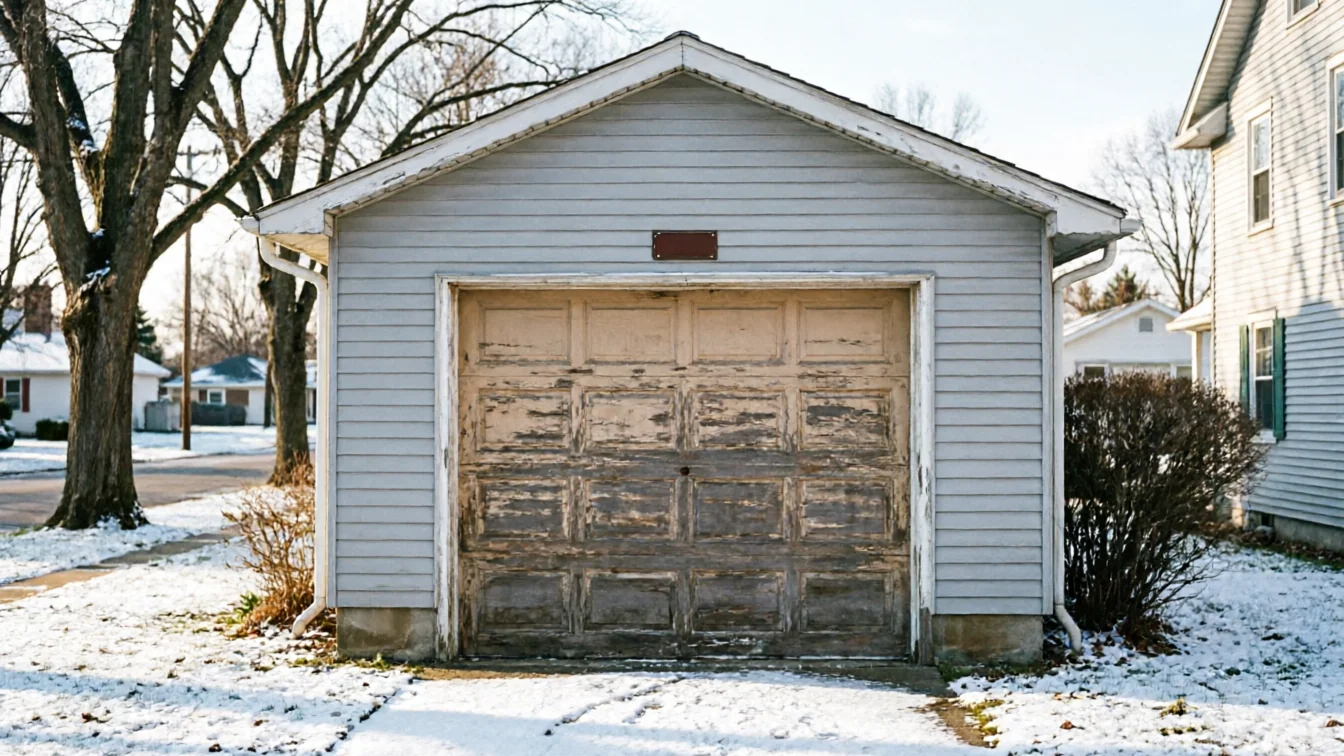
Openers, Power Cuts, and the Houses Kenosha Actually Has
Most Kenosha homes date to 1964-1994, and that opener age plus cold-climate power cuts changes what actually breaks.
Read guide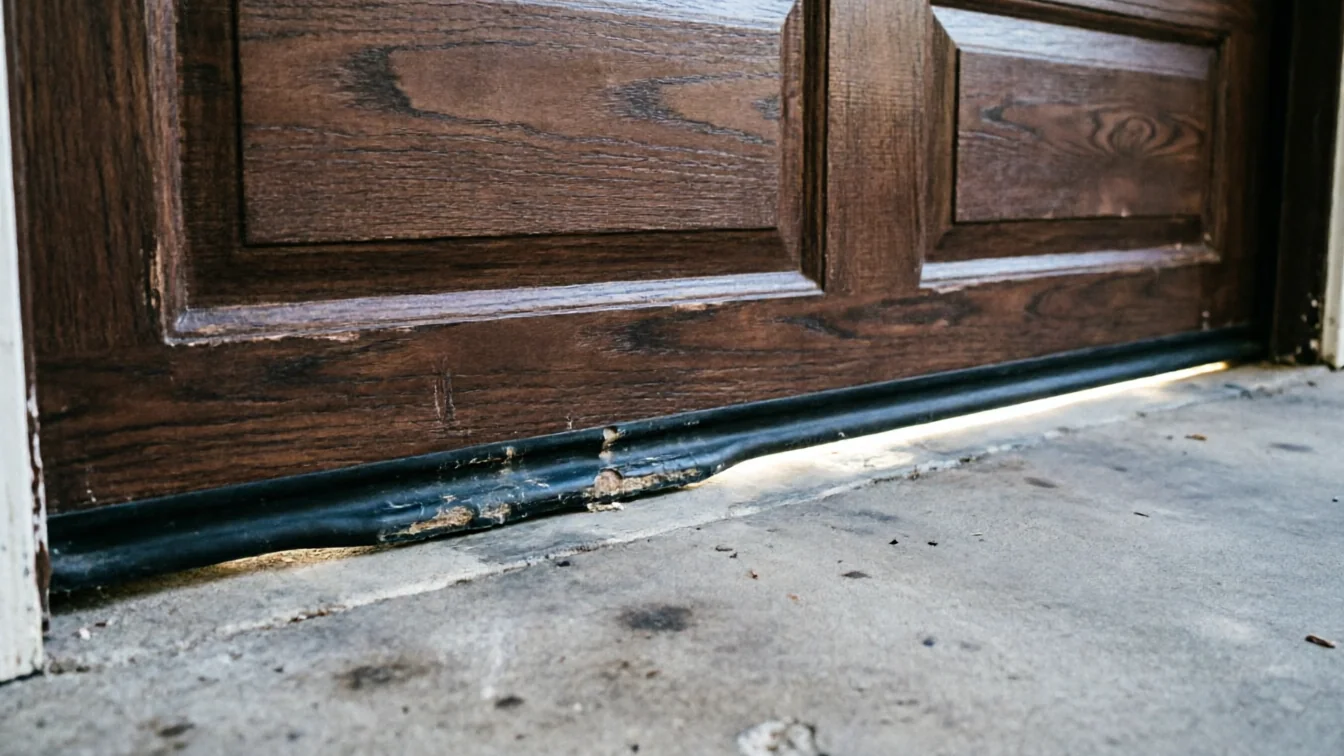
Why So Many Kenosha Garage Doors Have No Insulation at All
Most Kenosha garage doors date to 1964-1994, before energy codes required insulation.
Read guide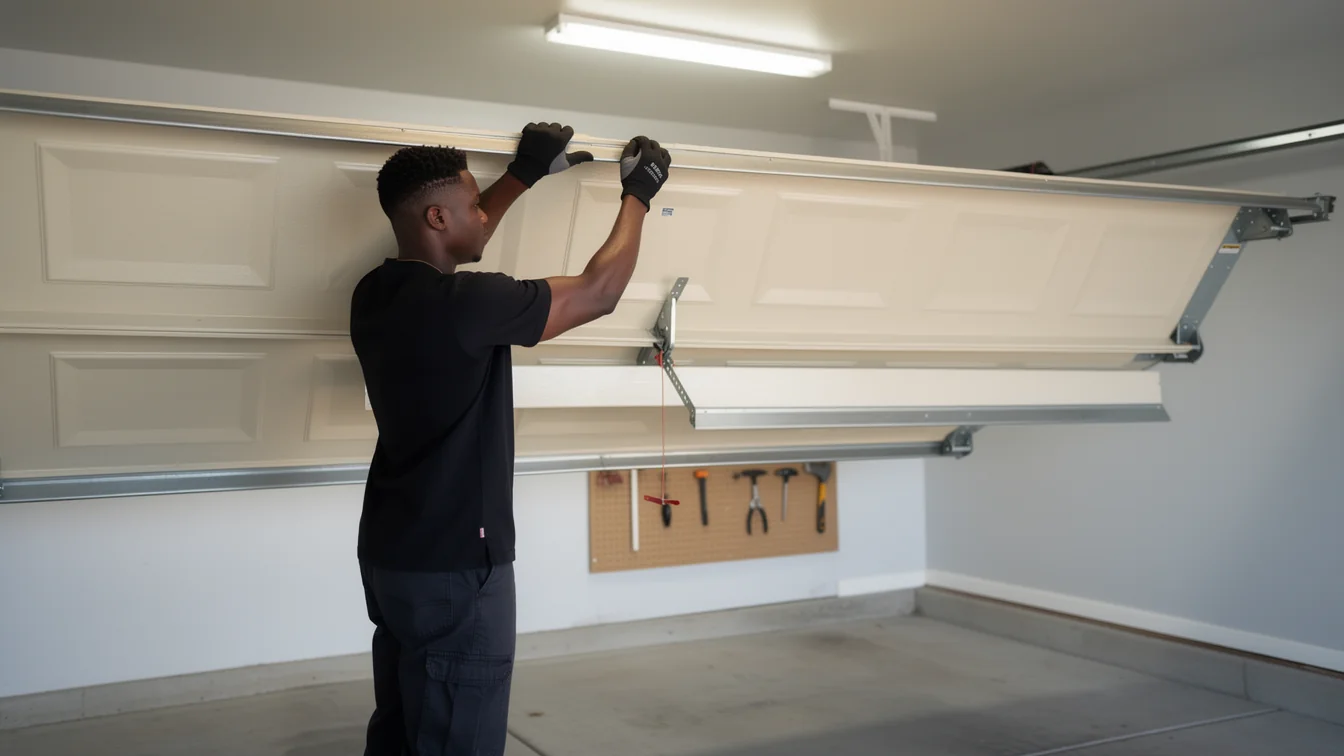
What That Grinding, Popping, or Scraping Sound Is Telling You
Most Kenosha-area homes date to 1964-1994, and the cold winters here make old rollers and springs noisy.
Read guideReady when you are
Need a garage door sorted in Kenosha?
Kenosha Garage Door Pros repairs and installs garage doors, springs and openers in Kenosha, WI and the surrounding area.