
Blog
What Actually Happens When We Come Out for a Service Call
A Kenosha service call checks the parts most likely to fail on 1960s-90s doors in a cold climate: springs, cables, rollers, track alignment, and opener settings.
When Waiting Is Fine
Not every noise or hiccup means you need a truck in your driveway today. If the door still opens and closes on command, the safety reverse still works, and the noise is a steady squeak rather than a grinding or popping sound, you can usually wait a week or two and schedule around your day instead of around the problem.
This matters more here than in newer subdivisions, because a lot of the housing stock we work on went up between 1964 and 1994, with the bulk of it dating to the mid-1970s. Doors and openers from that era weren't built with the same tolerances as what's sold today, so a little roughness in the motion is normal wear, not failure. We'd rather tell you a rattle can wait than send someone out to tighten a bolt that was never loose.
What can't wait: a door that won't reverse off an obstruction, a spring that's visibly separated or hanging open on one side, or cables that are frayed and showing wire strands. Those are safety calls, not maintenance calls, and we treat them differently on the phone before a truck ever leaves.
What Is Going On
A real service call starts with the spring, not the opener, because on a door this age the spring is almost always the thing under the most stress. We check wind count, bar deflection, and whether the spring matches the door weight it's holding - a lot of the original torsion springs in this area were sized for doors that have since been replaced with heavier insulated panels.
From there we look at cables for fraying, rollers for flat spots or cracked nylon, and track alignment, since houses built in the 1960s and 70s commonly used steel track that's been reset or rehung at least once over fifty-plus years. We test the opener's force and travel limits, not just whether the motor runs, because a motor that runs fine can still be set wrong and masking a binding door.
Last, we check the photo-eye sensors and weatherstripping. On a door that's original or near-original to a house from the mid-70s, the weatherstrip is usually long gone and the bottom seal is the first thing letting weather and noise into the garage. None of this is guesswork - it's a fixed sequence, and we tell you what we found at each step, not just what we recommend fixing.
What the Weather Here Does to It
This is a cold-climate service area, and cold does specific, predictable things to a garage door that a mild climate never would. Steel contracts as temperature drops, which tightens tolerances in track and hardware that were already decades old on houses built in the 1960s through 90s. A door that rolled smoothly in August can bind in January on the exact same track, with nothing broken - just metal that's shrunk a few thousandths.
Grease and factory lubricant stiffen in cold, too, which is why a lot of our winter calls are doors that sound like they're dying but are actually just thick with old lubricant that's gone solid. Cables and springs under tension also fatigue faster with repeated cold-to-warm cycling than they would somewhere that stays one temperature most of the year.
We don't tell people to run space heaters in the garage or anything drastic - that's not a fix, it's a workaround. What we do tell people is that an annual lube and tension check before the cold sets in catches most of this before it becomes a stuck door at 6 a.m. on a work morning.
What Most People Get Wrong
The biggest mistake we see: assuming a dead opener means a dead motor. Most of the time on an older door it's the travel limits or force setting that's drifted, often because cold has changed how much resistance the door gives on its way up or down. Replacing a motor that was never the problem is money spent on the wrong part.
The second mistake is treating spring noise and opener noise as the same issue. A grinding or popping sound almost always traces back to the spring or the hardware around it, not the opener itself, even though the opener is what people blame first since it's the part with the button.
Here's the honest limit on our end: if a part is discontinued or has a long lead time, we'll tell you that up front rather than promise a same-day fix we can't deliver. On a door this old, sometimes the right call is a new spring and hardware kit rather than hunting for an exact match to something installed in 1976. We'd rather say that than string you along.
Questions
Common questions
How do I know if my spring is original to the house?
If your house was built between 1964 and 1994 and the door hasn't been replaced, there's a real chance the spring is original or close to it. Signs it's near the end: visible rust at the coil ends, a gap when the door is down, or a door that feels noticeably heavier to lift by hand than it used to.
Why does my door act up more in winter?
Cold contracts the steel track and stiffens old lubricant, both of which bind a door that moved fine in summer. This shows up most on older track and hardware common to 1960s-70s construction in this area, where decades of cold-to-warm cycling have already fatigued the metal some.
Do you serve areas outside Kenosha itself?
Yes - our service area includes Pleasant Prairie, Bristol, Sturtevant, Mount Pleasant, Union Grove, Paddock Lake, Salem Lakes, Wind Point, Caledonia, Eagle Lake, Wheatland, Burlington, Twin Lakes, and Browns Lake, ranging from about 4 to 20 miles out.
Can every part be fixed instead of replaced?
No. Some hardware on doors from the 1960s-90s is discontinued, and chasing an exact match can cost more than replacing the spring and track hardware as a set. We'll tell you when that's the case instead of promising a repair we can't actually get parts for.
Recommendation
You Might Also Like
More garage door guides for Kenosha homeowners.
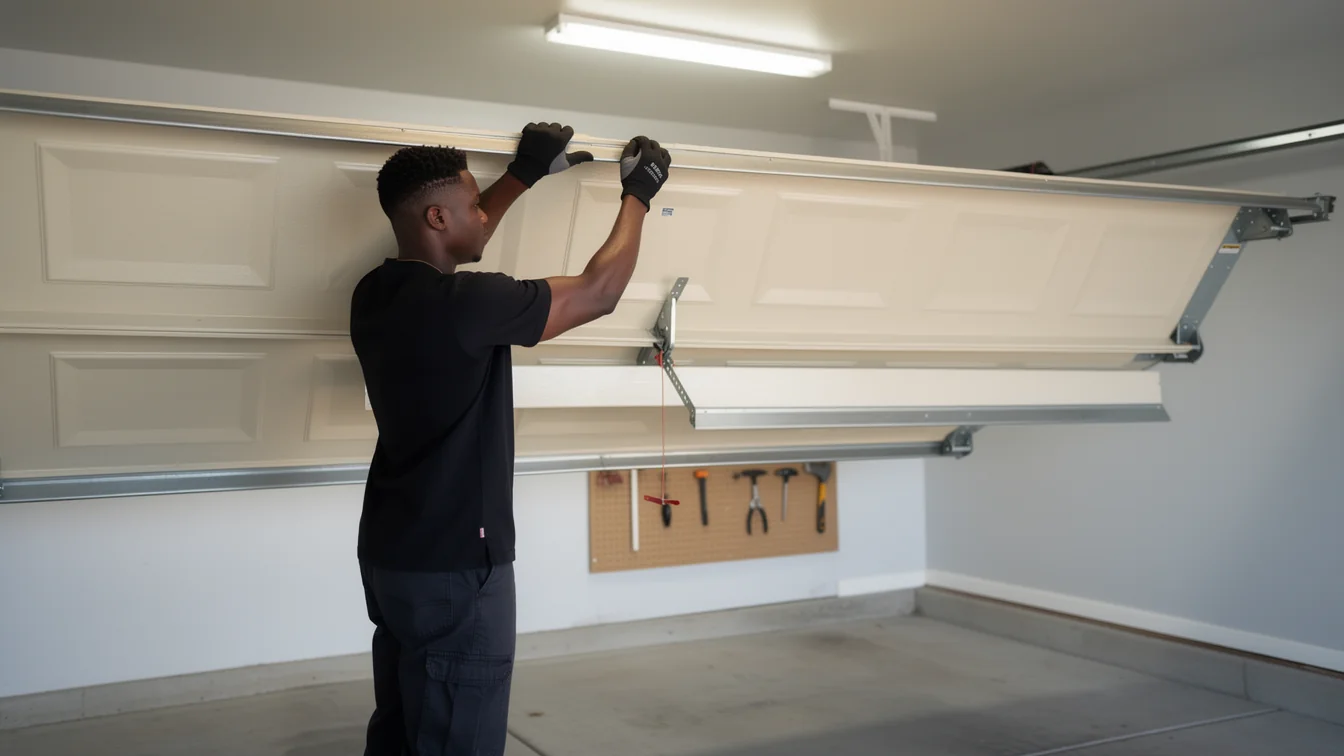
What That Grinding, Popping, or Scraping Sound Is Telling You
Most Kenosha-area homes date to 1964-1994, and the cold winters here make old rollers and springs noisy.
Read guide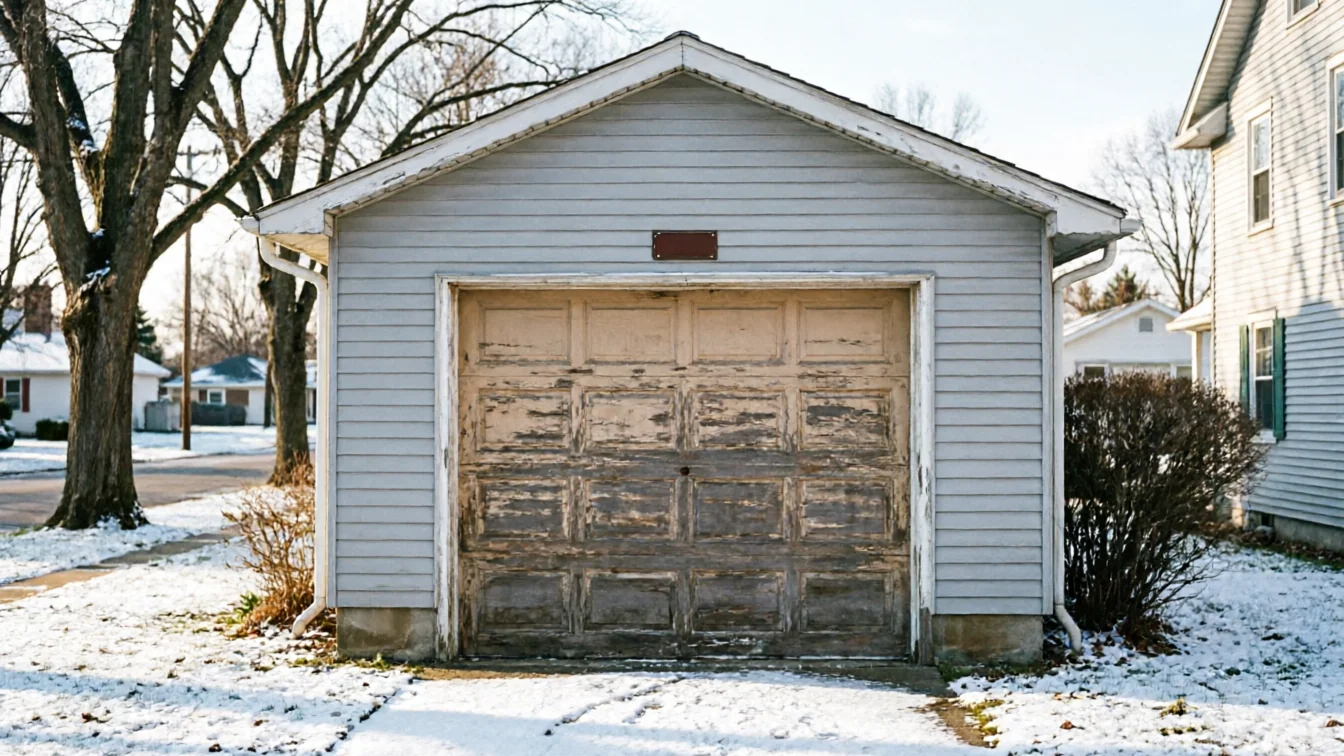
Openers, Power Cuts, and the Houses Kenosha Actually Has
Most Kenosha homes date to 1964-1994, and that opener age plus cold-climate power cuts changes what actually breaks.
Read guide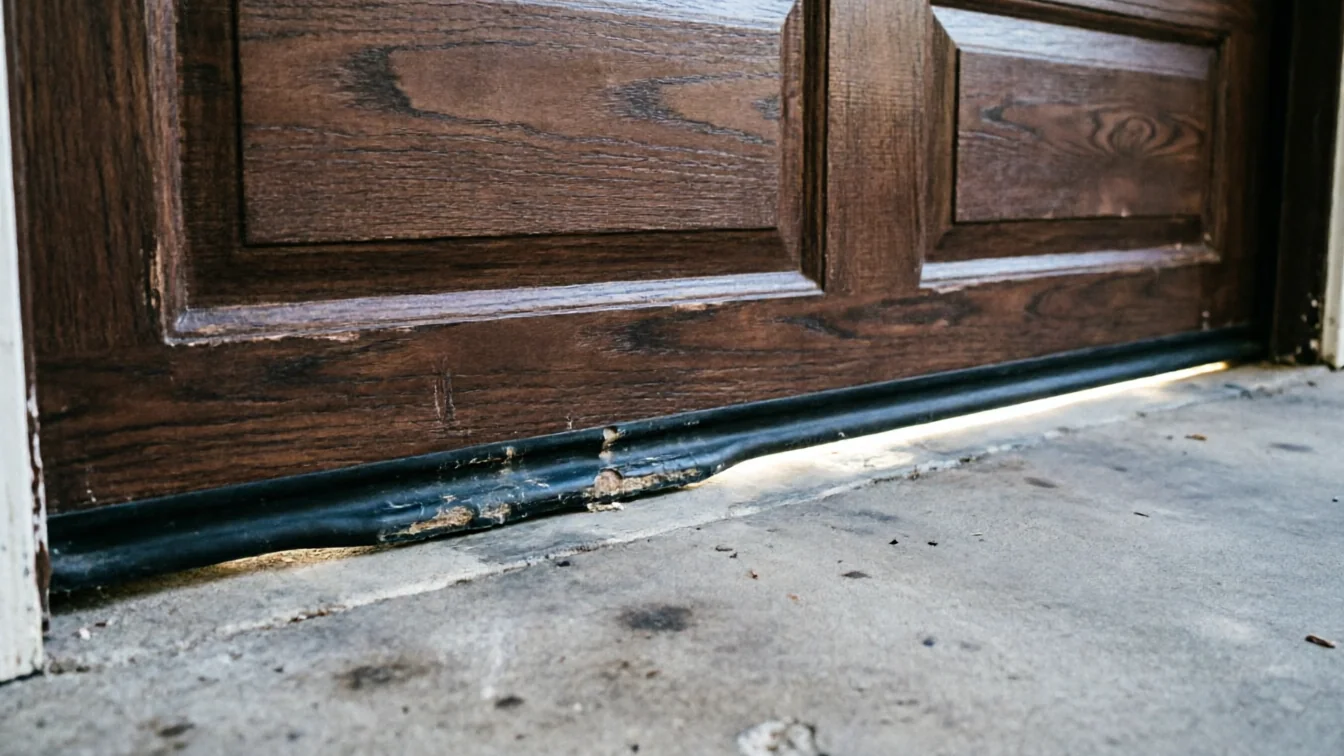
Why So Many Kenosha Garage Doors Have No Insulation at All
Most Kenosha garage doors date to 1964-1994, before energy codes required insulation.
Read guideReady when you are
Need a garage door sorted in Kenosha?
Kenosha Garage Door Pros repairs and installs garage doors, springs and openers in Kenosha, WI and the surrounding area.