
Door opens only inches
If the door only opens a few inches before the opener strains and reverses, that's usually the spring carrying none of the weight anymore and the opener trying to do a job it was never built for.
Bristol, Kenosha
Bristol homes mostly went up around 1981, a decade past Kenosha's own median build year. That gap changes which springs, openers, and tracks fail first. We drive out from Kenosha for the fix.
The repair
Bristol's housing stock centers on 1981, which puts most garage doors here a full repair cycle ahead of the older end of the Kenosha service area, where the median build year runs closer to 1976.
That decade matters. A door installed in 1981 is more likely to have a factory-standard extension spring setup or an early torsion conversion, not the one-piece doors and side-mounted hardware you find on houses built before 1970. We bring torsion springs sized for a later-era double door, plus the openers and travel modules that match a chain-drive unit from that build window, since parts for the truly old setups are harder to source on short notice.
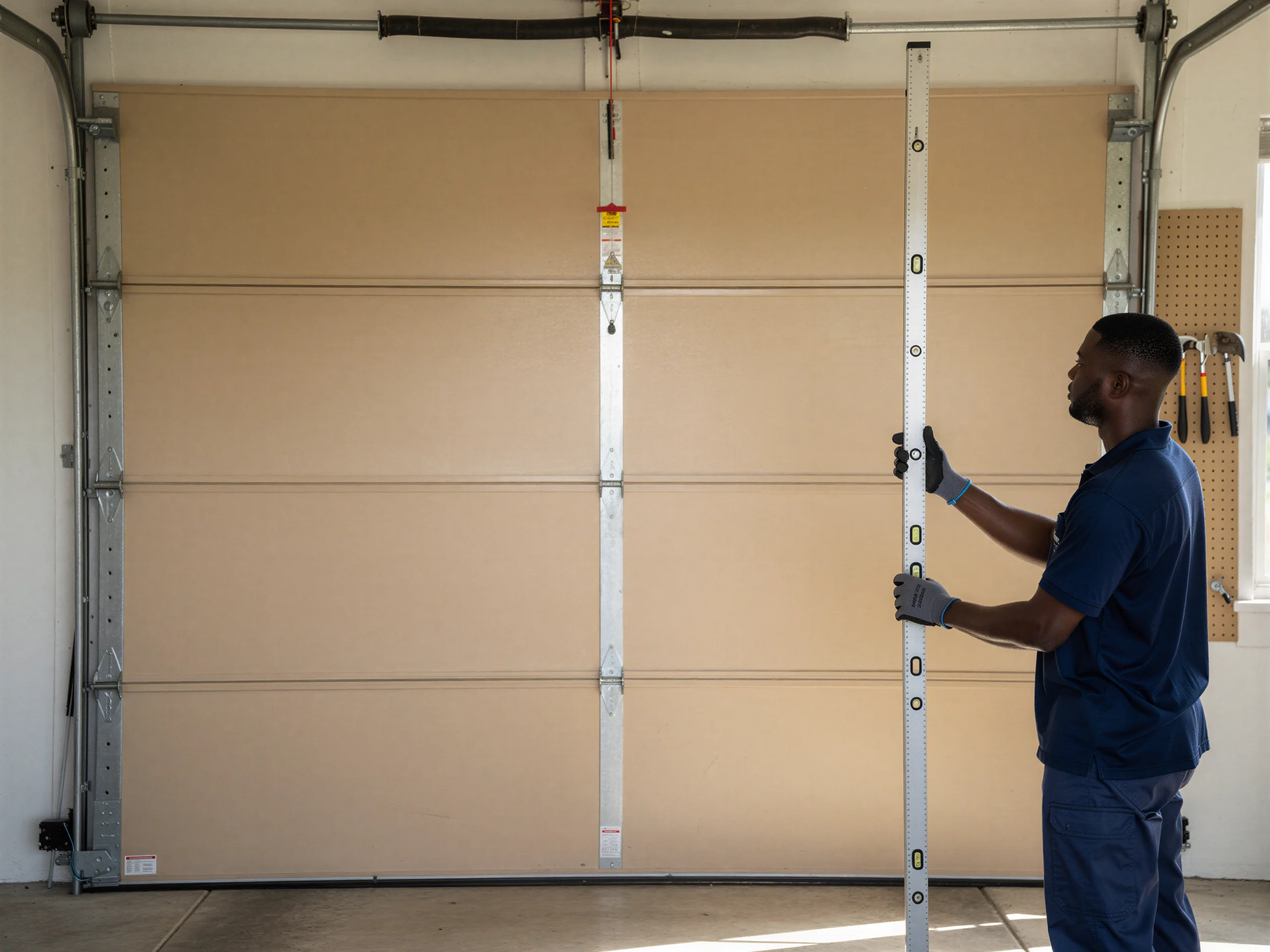
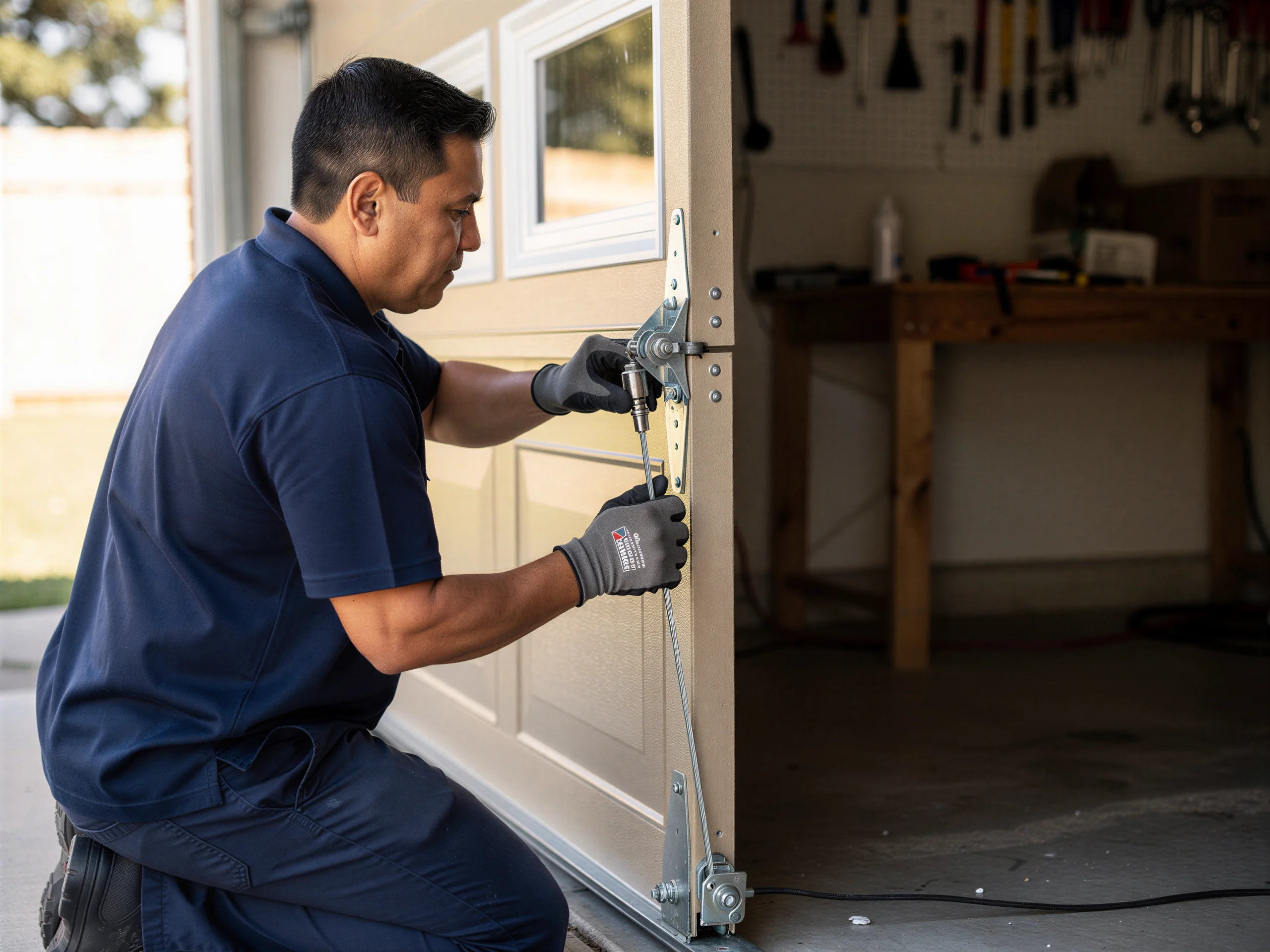
The job itself follows the same order no matter the house: unload the spring under control, pull the old cable and drum if they're worn, check the track alignment, and test the opener's force and travel settings before we leave.
On an 1981-era door, we're usually dealing with torsion hardware that was sized correctly when installed but has had forty-plus years of cycles on it. Rollers, end bearings, and the torsion spring itself are the parts most likely to be past their rated cycle count by now, and we price those as a set rather than one at a time once we're under the door.
Warning signs
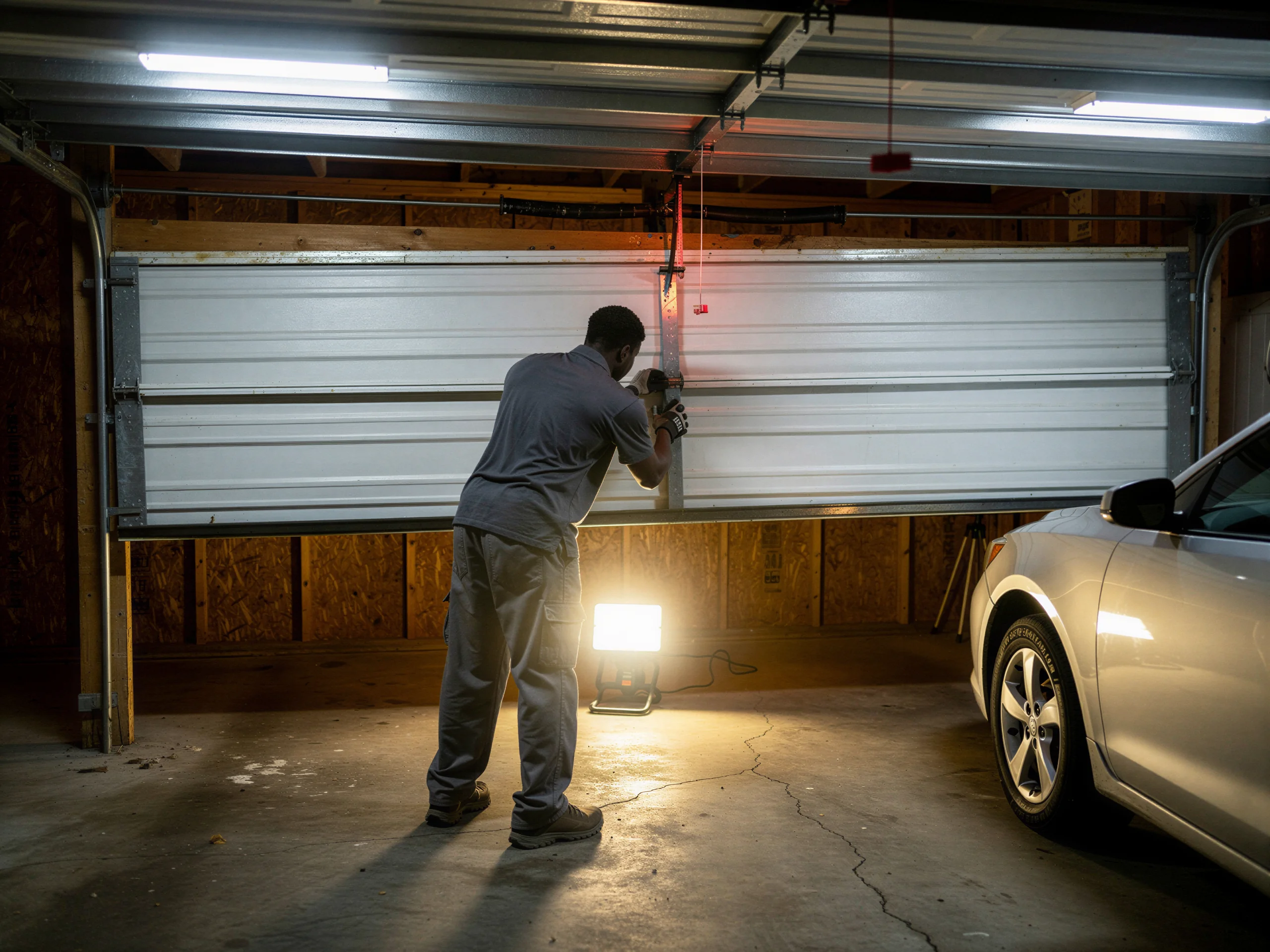
A torsion spring installed around 1981 is well past the cycle count most springs are rated for, so a loud bang followed by a door that won't lift, or lifts crooked, is the most common call we get from this part of the service area.
If the door only opens a few inches before the opener strains and reverses, that's usually the spring carrying none of the weight anymore and the opener trying to do a job it was never built for.
A second pattern shows up on doors that have had one opener swap since 1981 but never a track adjustment: the door rides fine by itself but binds or grinds once the opener takes over, which points to the track being slightly out of plumb relative to where the newer opener sits.
We also see worn rollers on these doors more than cable failures, since the original steel rollers from that era tend to flat-spot and get loud well before the cable gives out. None of this means the opener is bad; it usually means the door underneath it has outlived its original hardware.
Pricing
We don't have a posted price list that applies evenly across every door, and we won't quote one here that would be wrong half the time.
What we can tell you is that in a market where the median household income sits above $109,000, most Bristol calls we take are spring and hardware replacement rather than full door swaps, since the doors themselves are generally newer and sounder than the hardware carrying them.
A full torsion spring and roller set runs more than a single-spring swap, but it's cheaper over time than replacing one part every year as the rest of the original hardware fails in sequence.
One honest limit: if your door is original to an 1981 build and the track or section has rusted or warped, repair stops making sense past a certain point, and we'll tell you that on site rather than keep billing hardware onto a door that needs replacing. We travel the 8 miles out from Kenosha for the call itself; that trip is built into how we schedule the day, not into a separate fee line.
Local causes
Bristol sits in a cold-moderate climate band, and a door built around 1981 was engineered to a lower insulation and sealing standard than anything built in the last fifteen years. Freeze-thaw cycling on an uninsulated or thinly insulated panel door works the bottom seal and the track alignment harder than it would in a milder climate, which is part of why track binding shows up here more than in warmer service areas. The hardware doesn't fail because it's bad hardware; it fails because forty-plus winters of expansion and contraction have worked every moving part past its tolerance.
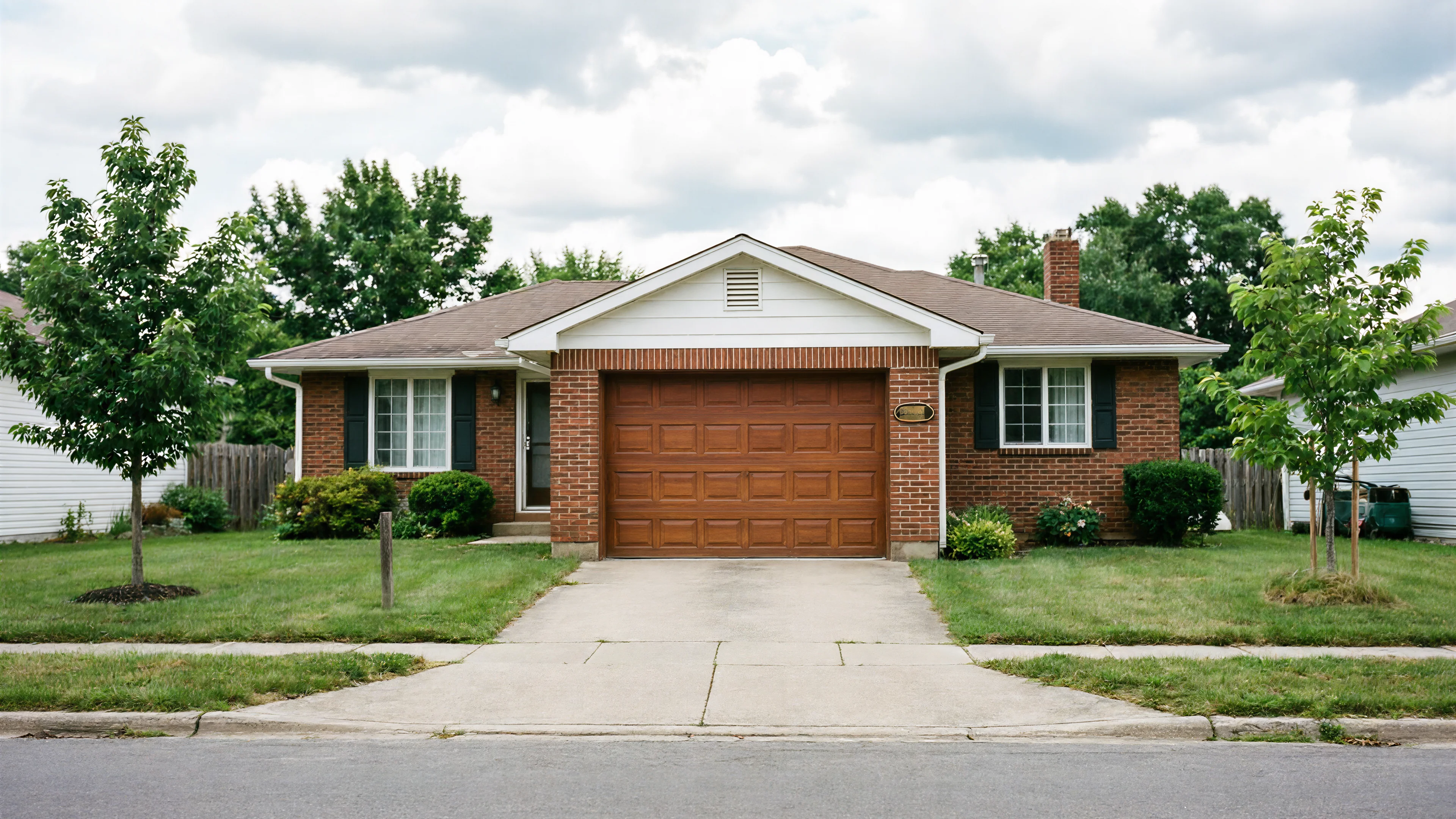
Across the broader Kenosha service area, the housing stock runs 1964 to 1994 with a median around 1976, and Bristol's own households skew to the newer half of that range. That's a small town by household count, a couple thousand homes, not the tens of thousands across the full service area, so we're not running a dedicated route here the way we might in a denser suburb. We schedule Bristol calls alongside the rest of the day's route out from Kenosha, which is the honest version of how a company without a branch office here actually works.
Questions
No. We're based in Kenosha and drive out about 8 miles for every Bristol call. There's no local branch or depot here, so scheduling runs through the same dispatch as the rest of our service area.
Torsion springs are rated for a set number of open-close cycles, typically somewhere around ten to fifteen years of normal use. A door from 1981 has had decades of cycles on its original spring, so by now most homes in Bristol's build era are due, or overdue, for a replacement.
Usually not, since most Bristol doors date to the early 1980s and the panels themselves tend to be sound even when the spring, cable, or rollers have worn out. We only recommend replacement when the track or section itself has warped or rusted through.
Explore more
Ready when you are
Kenosha Garage Door Pros repairs and installs garage doors, springs and openers in Kenosha, WI and the surrounding area.