
Header limits torsion conversion
Torsion conversions exist, but if the header wasn't built for a torsion tube, we're not just swapping a spring - we're changing the hardware the door hangs from. The second pattern is the panel itself.
Bristol, Kenosha
Bristol homes built around 1981 still run original hardware. We install new garage doors sized for that era's openings, out of our Kenosha shop, 8 miles away.
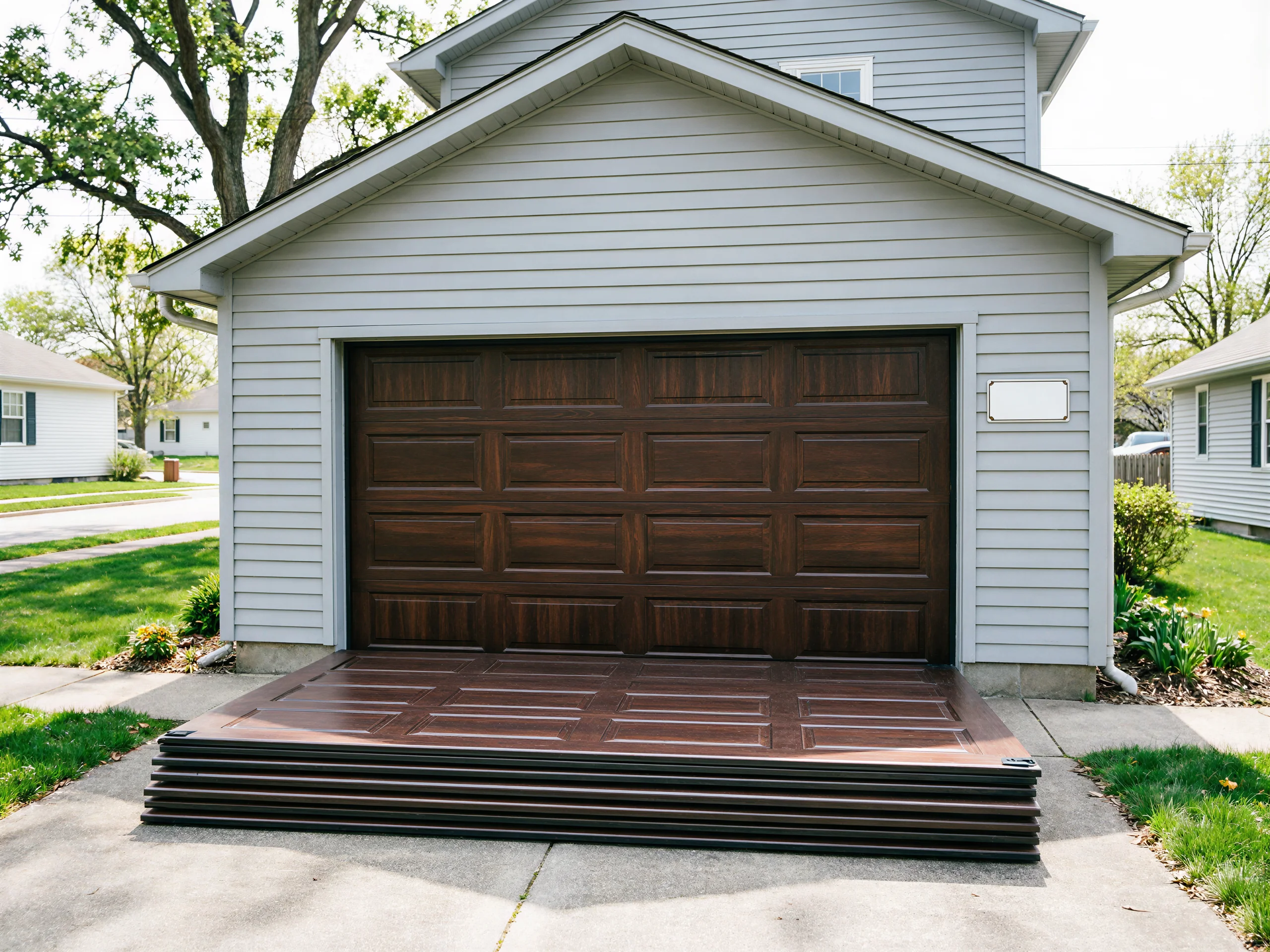
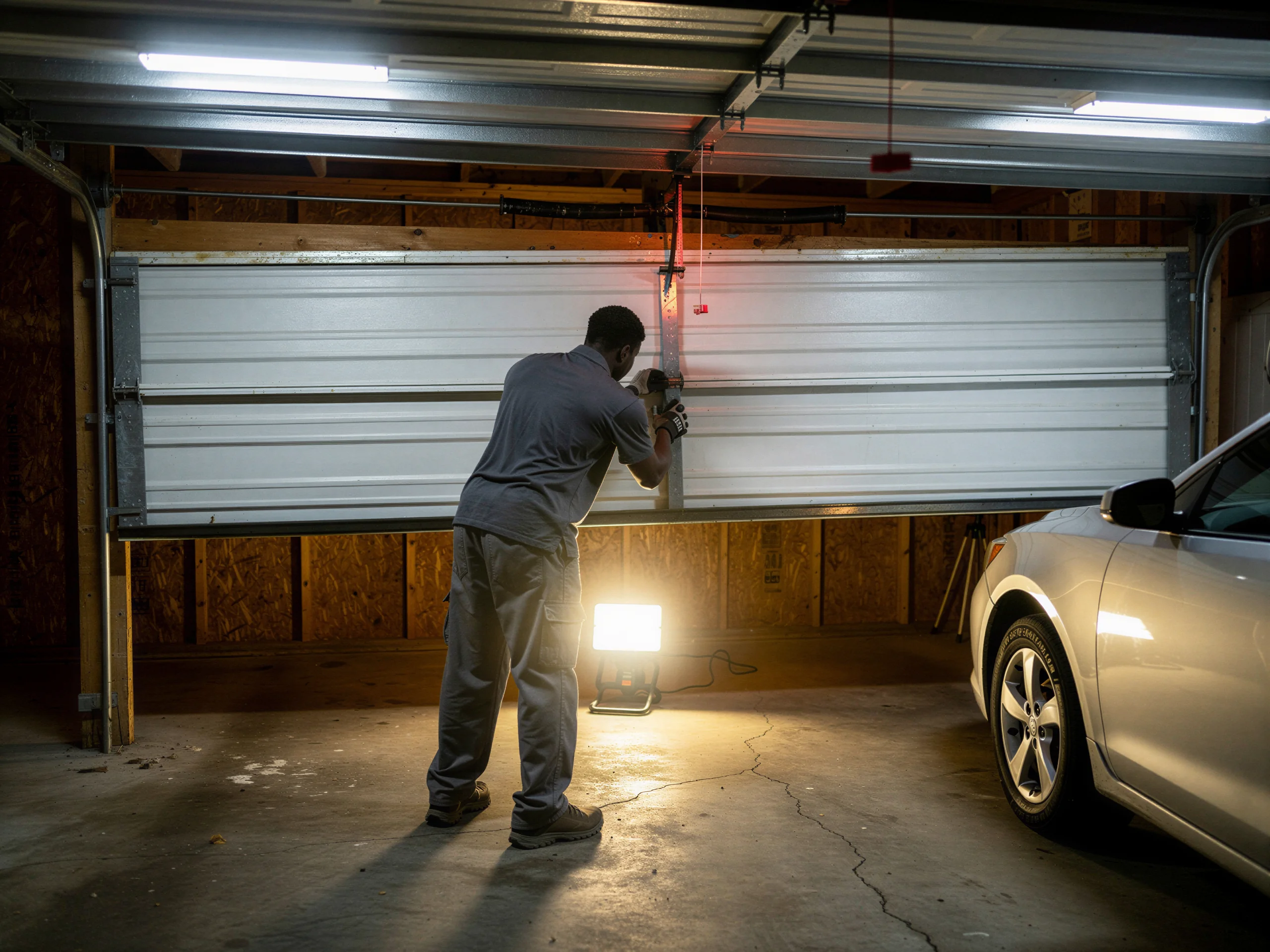
The repair
Most houses in Bristol went up around 1981, which puts the garage openings and header framing square in that early-80s build pattern - wider single-car bays giving way to two-car garages, steel doors replacing the last of the wood ones, but still hung on the galvanized track and hardware that shipped with the house.
If nobody's touched it, that's over 40 years on the same rollers, hinges, and in a lot of cases the original extension spring setup instead of torsion. A new installation on a house this age usually means swapping out everything at once: door, track, springs, and opener, because the opening itself is sized for a panel that isn't made the same way anymore.
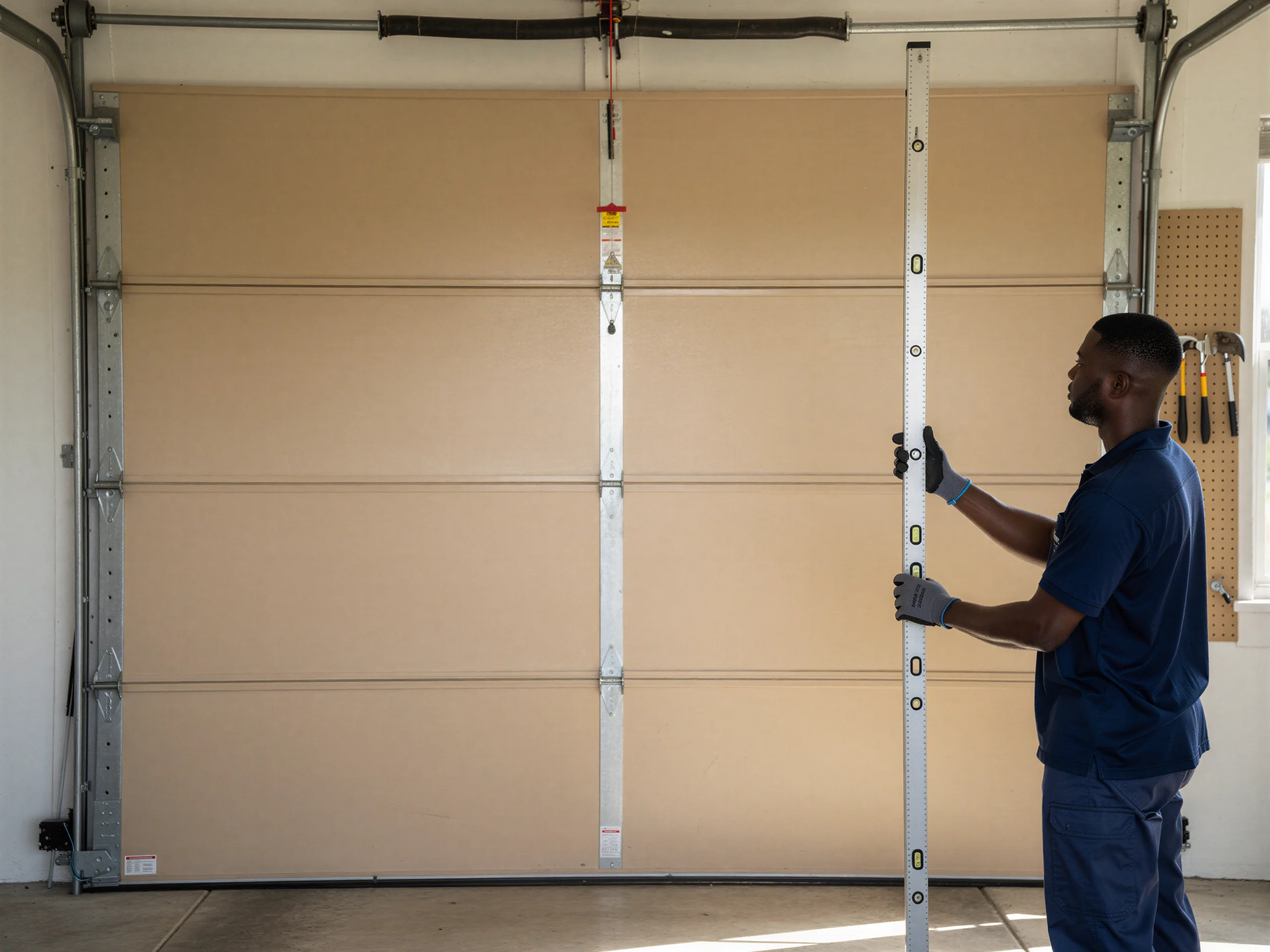
We measure the existing jamb and header before we order anything - on a 1981 opening the rough framing can run a half inch or more off square from what a current factory door expects, and that gets shimmed and sealed during the install, not patched after. We come out from Kenosha, about 8 miles in.
There's no branch office in Bristol, so the job gets scheduled around the drive, not around a local crew sitting idle. For a straightforward two-car door swap that's not a problem; for anything that needs a same-day emergency fix, that drive time is worth knowing about going in.
Warning signs
The giveaway on a house this age is usually the spring. Original extension springs from the early 80s don't have the safety cables that became standard later, and after four decades of cycling they're either sagging visibly or they've already let go and the door won't hold itself open.
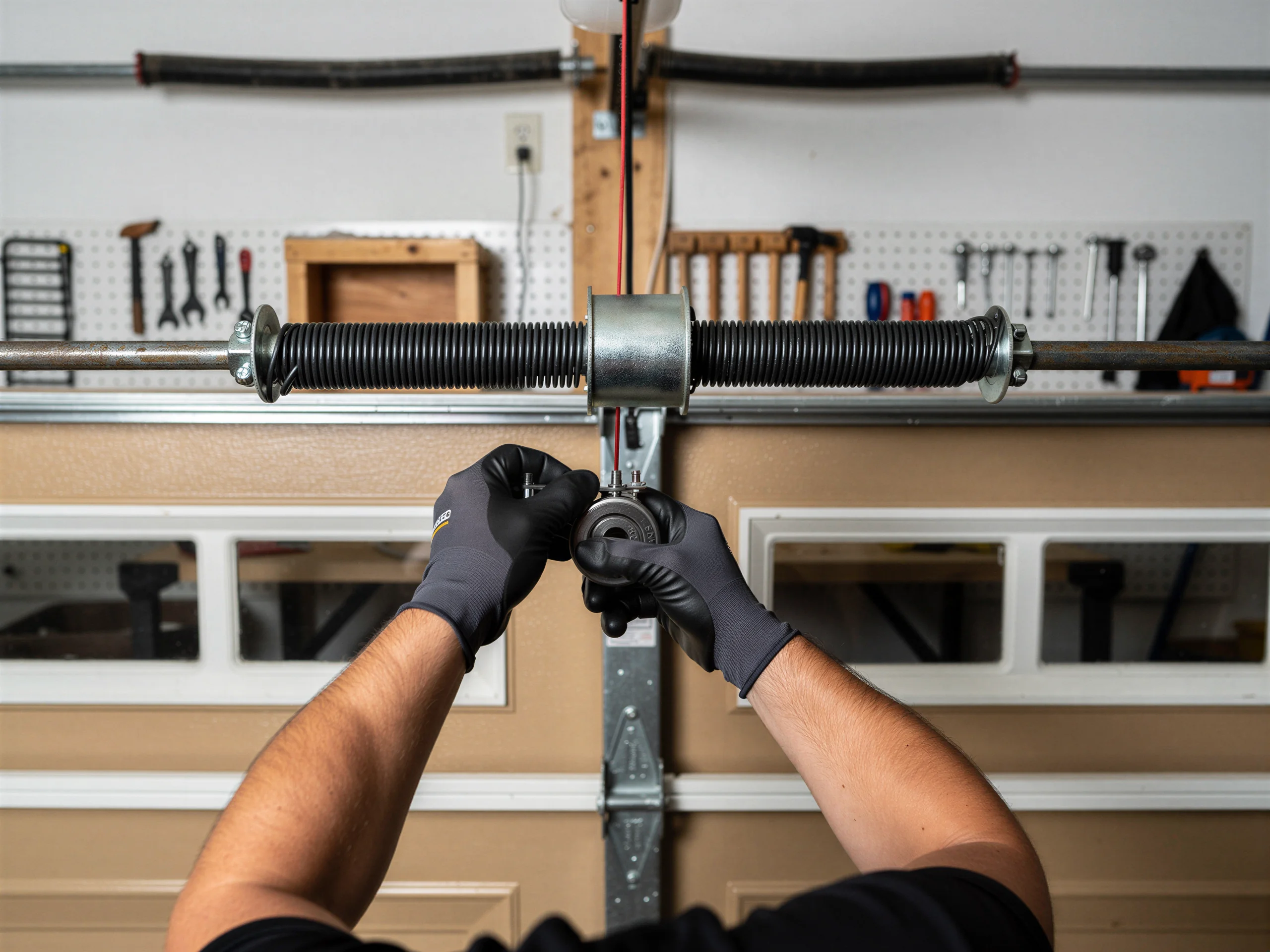
Torsion conversions exist, but if the header wasn't built for a torsion tube, we're not just swapping a spring - we're changing the hardware the door hangs from. The second pattern is the panel itself.
Steel doors from that era used thinner gauge steel and less insulation than anything sold now, so you'll see denting along the bottom panel where a car bumper's clipped it over the years, or rust creeping up from the weatherstrip track where the original flashing wasn't sealed well to begin with. Openers are the third tell.
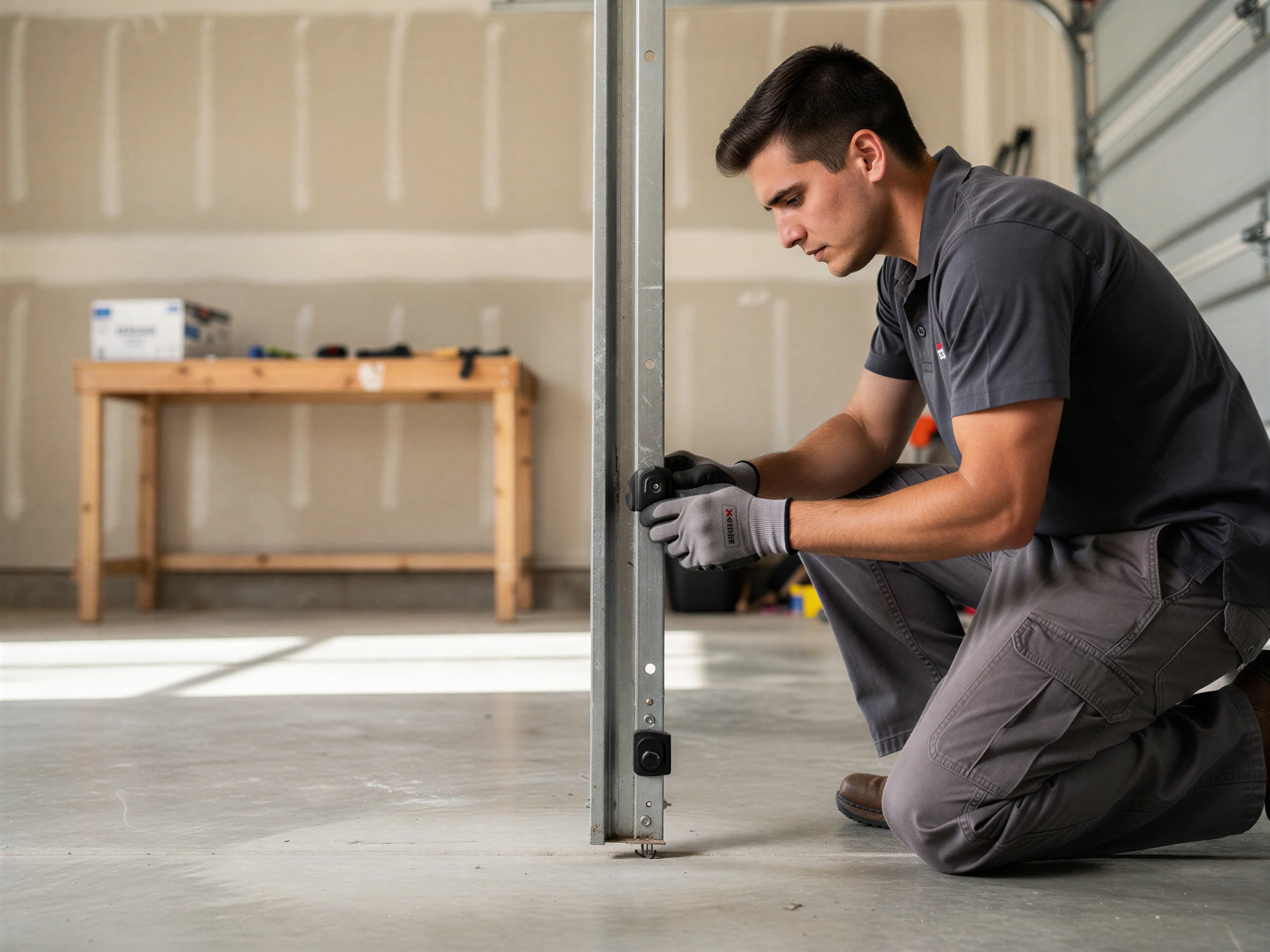
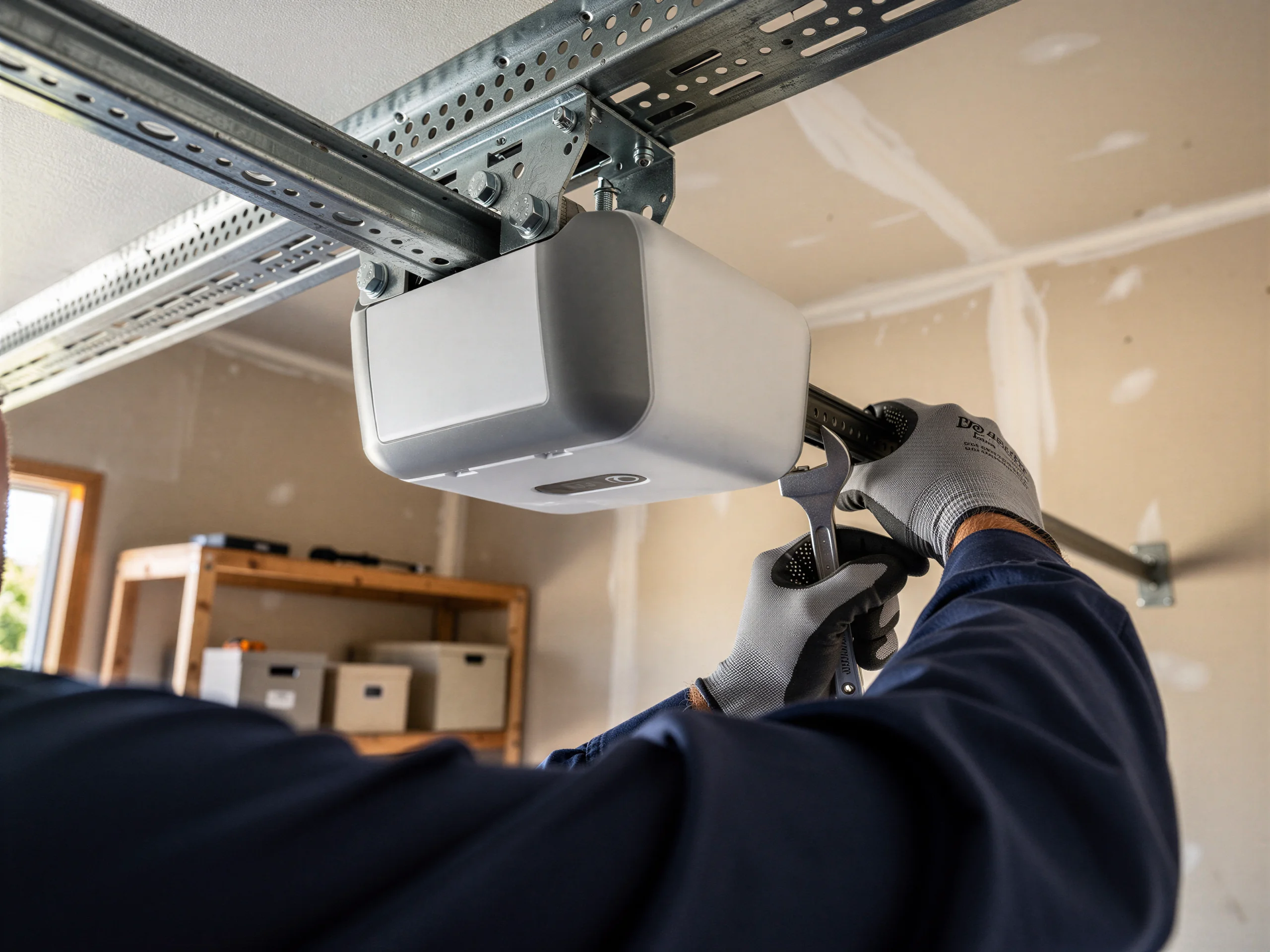
A lot of these houses still have a chain-drive unit from a retrofit sometime in the 90s or 2000s - not original, but old enough that the gears are worn and the safety reversal sensors, if there are any, don't meet current standard. None of that means the door is unsafe to use today. It means the parts are past the point where a repair outlasts a full installation.
Pricing
We don't have a flat number to quote here - door size, insulation level, and whether the opener and track get replaced along with the panel all move the price, and FACTS for this market don't give us a single figure to publish. What we can say is that median household income across the broader Kenosha-area service territory sits at $92,803, and Bristol runs well above that at $109,917 across its roughly 2,083 households, which tends to mean homeowners here more often spec insulated steel or fiberglass doors over the stripped-down builder-grade option, and more often replace the opener at the same time instead of reusing a worn one to save a trip charge.
The honest limitation: if your opener or spring is still functioning and the panel's just cosmetically rough, a full replacement isn't always the right call. We'll tell you when a repair gets you another decade out of the door instead of pushing a full swap you don't need yet.
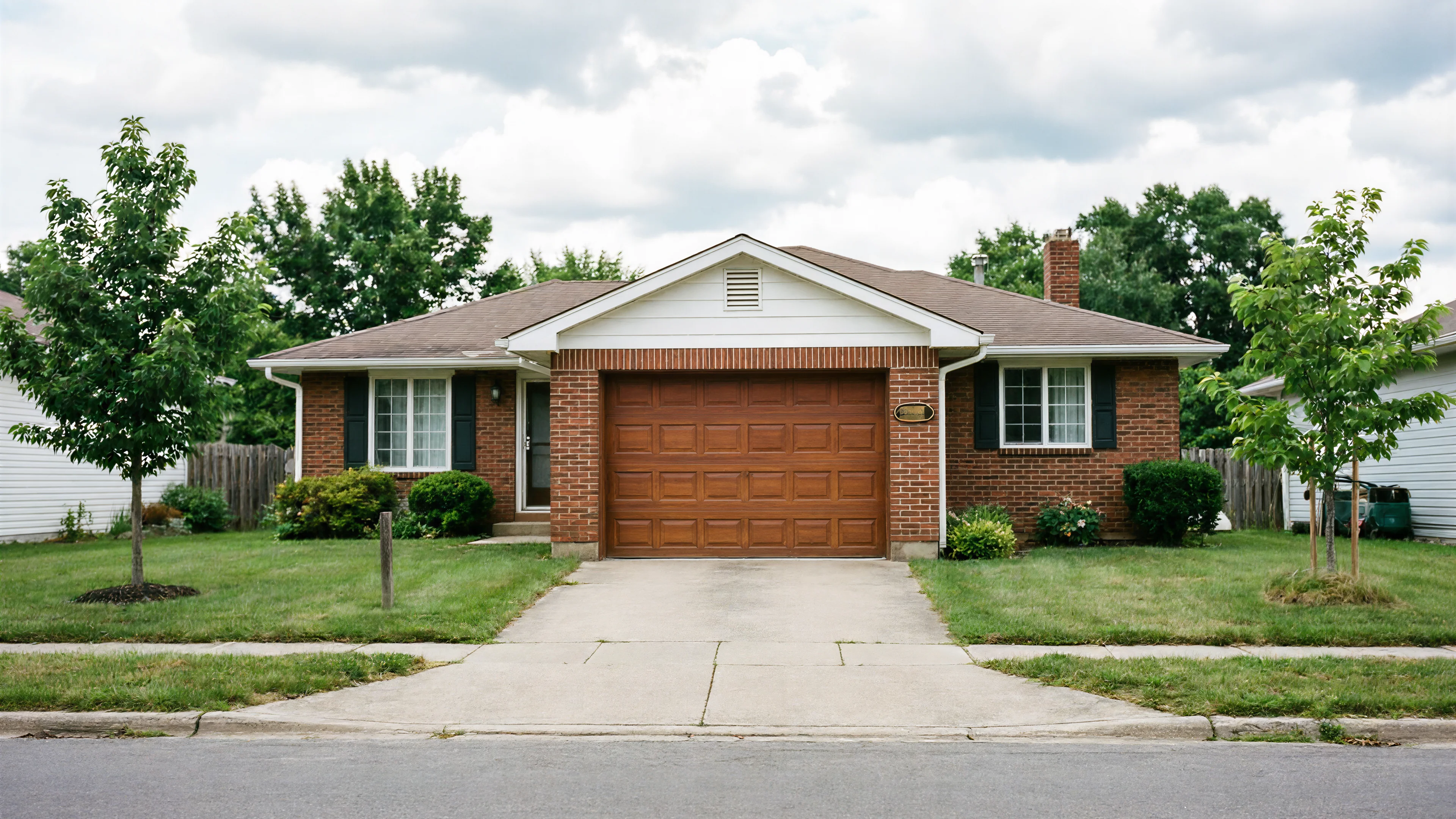
Local causes
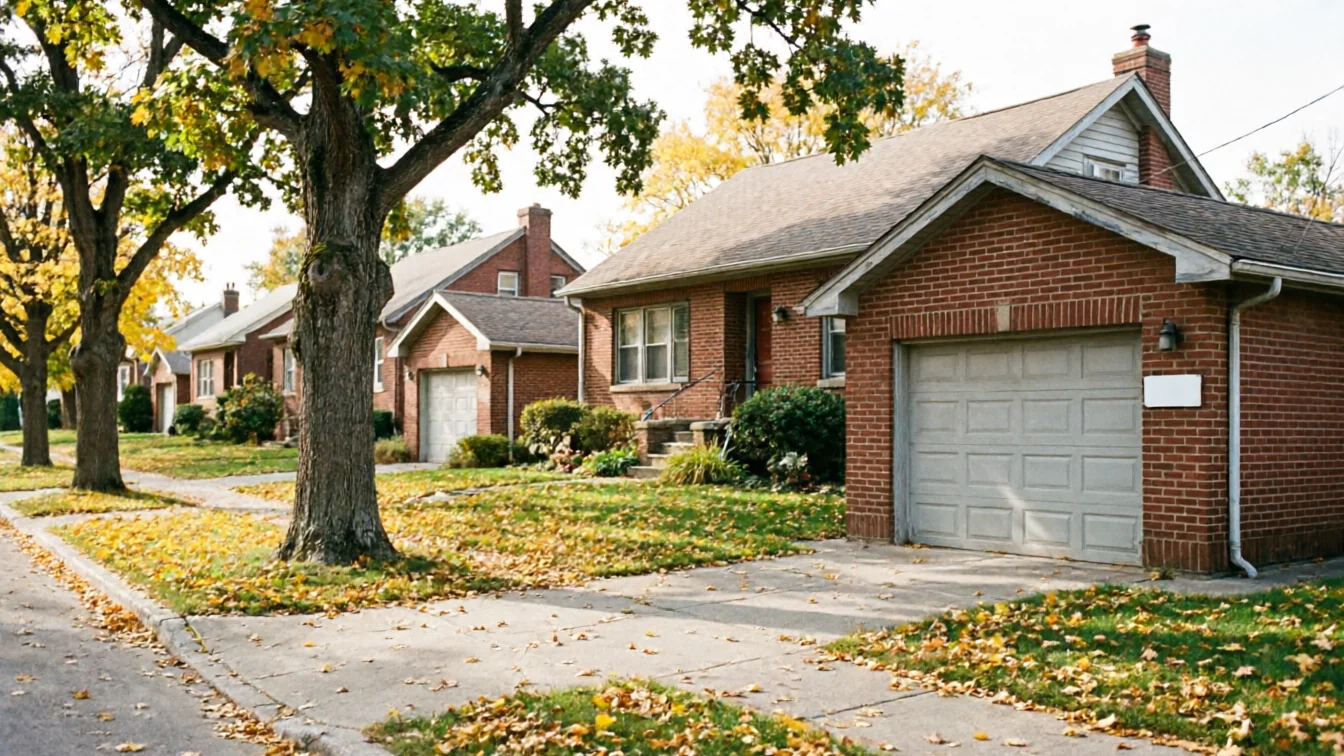
The climate band here is cold-moderate, and a door and seal package that's fine in a milder region doesn't hold up the same way through a Wisconsin winter. Weatherstripping on a door built in 1981 was never rated for the freeze-thaw cycling this area gets every year, and after enough winters the bottom seal hardens and cracks, letting wind straight under the door. That's a Bristol-specific failure point tied to the build year and the climate, not a universal garage door complaint.
The other local factor is simply geography - Bristol sits about 8 miles from our Kenosha base, out past Pleasant Prairie, which is closer in at 4 miles. That distance doesn't change what we install, but it does mean a same-day install on a non-emergency job gets scheduled, not squeezed in. For a planned replacement that's rarely an issue; it's just part of being in a suburb the crew drives to rather than one with a shop on the corner.
Questions
If the house dates to the early 1980s build wave common in Bristol and it's never had a replacement, the track, hinges, and often the spring setup are original. Extension springs from that era typically don't have safety cables, which is the first thing we check before quoting any new installation.
No. We run installs and repairs out of Kenosha, about 8 miles away. There's no local depot, so jobs are scheduled around the drive rather than dispatched from a crew already in town.
Often yes, if the opener's from a retrofit decades ago and lacks a modern safety reversal sensor. But if your opener is newer than the door and still working fine, we'll say so rather than bundle a replacement you don't need.
Usually with some adjustment. Framing from that build era can run off-square from current factory specs, so we measure the jamb and header before ordering and shim or seal as needed during install rather than forcing a stock fit.
Explore more
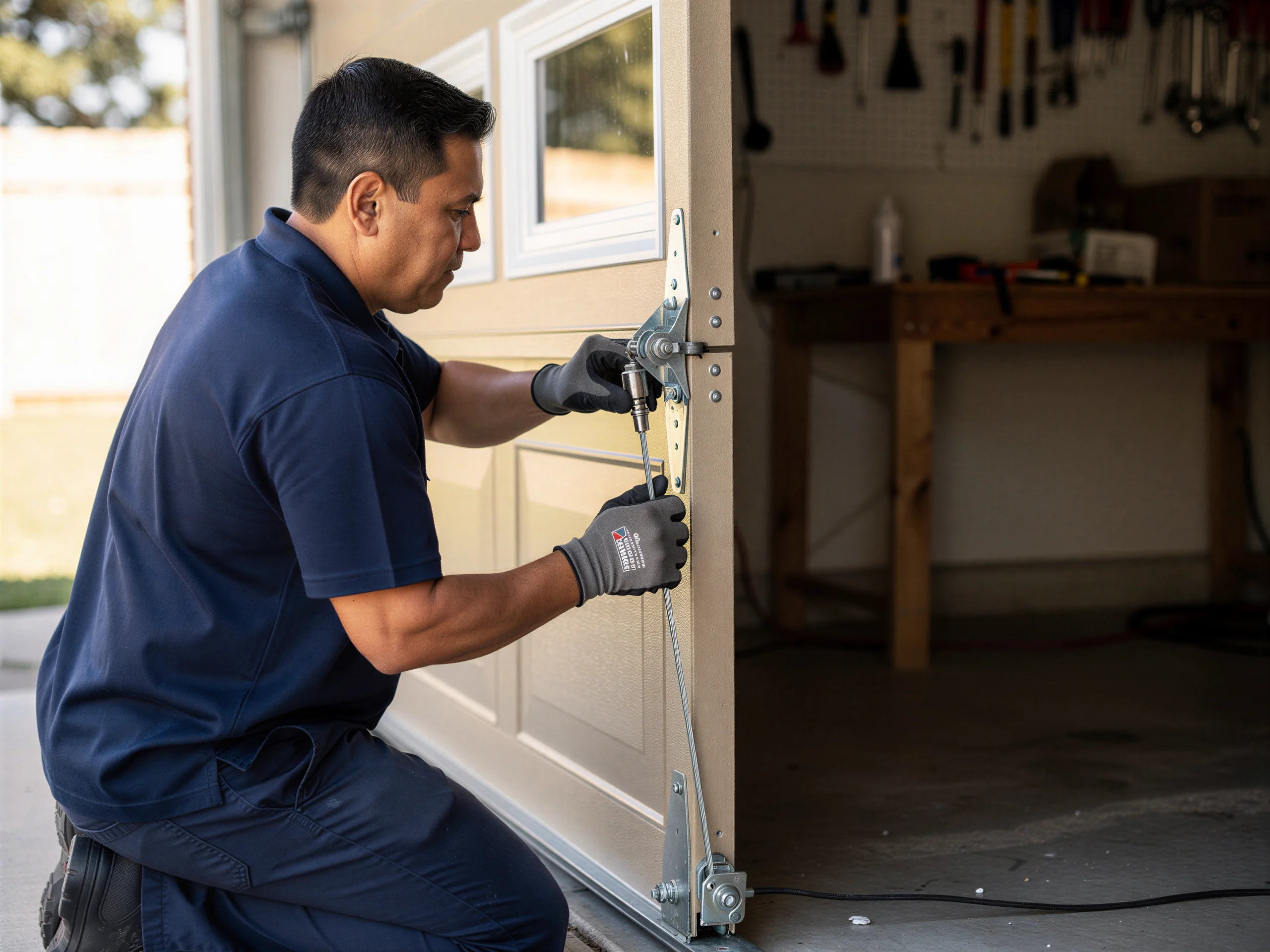
Ready when you are
Kenosha Garage Door Pros repairs and installs garage doors, springs and openers in Kenosha, WI and the surrounding area.